
Stop the Rust: 9 Secret Undercoating Tips Only Mechanics Know
Rust is the relentless enemy of vehicles, silently eating away at their structural integrity and aesthetic appeal. For mechanics and car enthusiasts alike, preventing rust is a top priority, as it can significantly impact a vehicle's lifespan and resale value. While many are aware of basic rust prevention techniques, there are lesser-known strategies that can make a substantial difference. This article delves into nine secret undercoating tips that only seasoned mechanics know, offering insights that can help anyone maintain their vehicle in pristine condition. From understanding the science of rust to selecting the right materials, this guide is your comprehensive resource for stopping rust in its tracks.
Understanding the Science of Rust

Before diving into undercoating techniques, it's crucial to understand what rust is and how it forms. Rust is a type of corrosion that occurs when iron reacts with oxygen and moisture, forming iron oxide. This reaction is accelerated by salt, which is why vehicles in coastal or snowy regions are more prone to rust. By understanding the chemical process of rust formation, mechanics can better strategize how to prevent it. This knowledge is the foundation upon which effective rust prevention techniques are built, enabling mechanics to tackle the problem at its root rather than just treating the symptoms.
The Importance of Surface Preparation
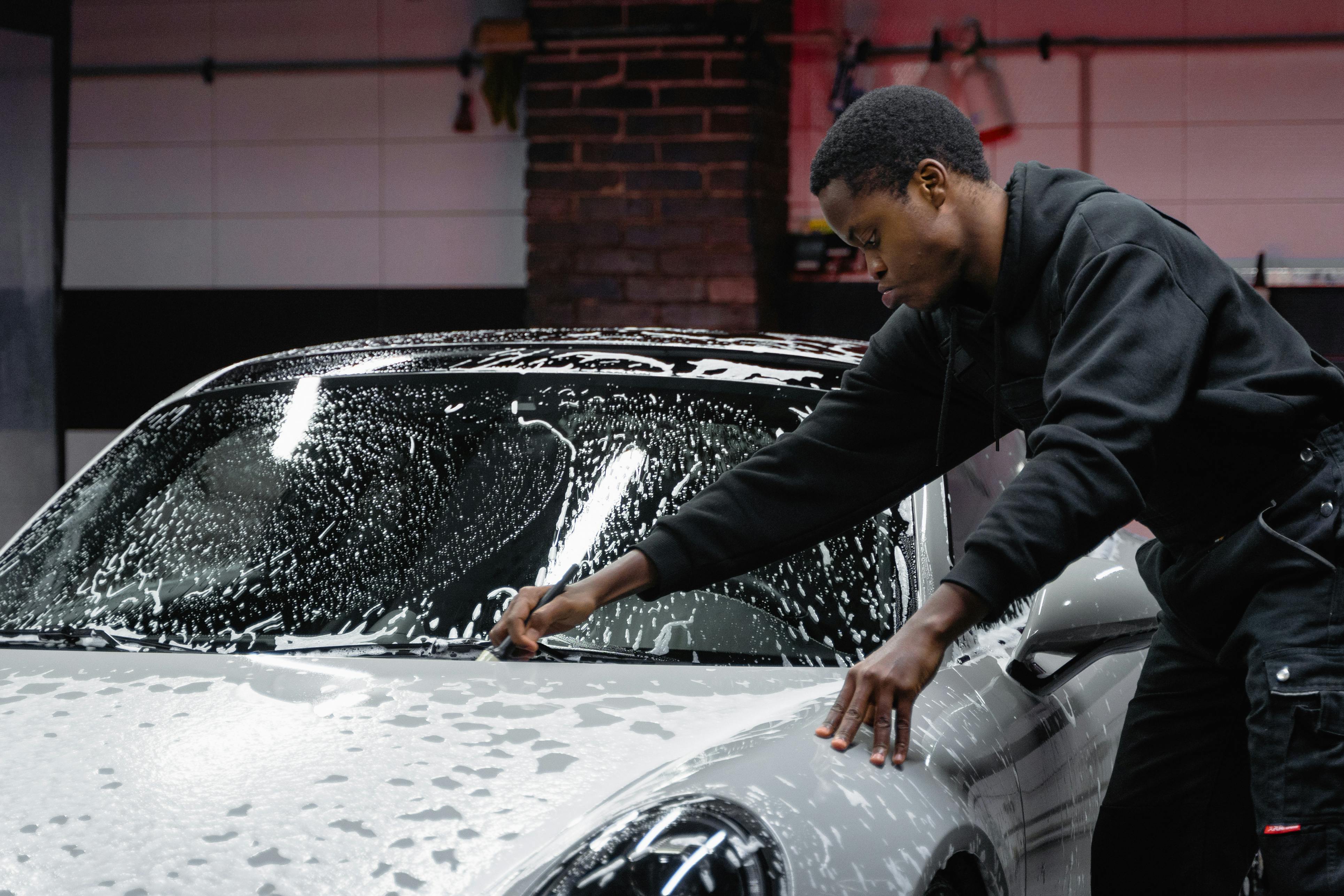
One of the most critical steps in undercoating is surface preparation. A clean and dry surface ensures that the undercoating adheres properly, providing maximum protection. Mechanics often use a combination of degreasers and wire brushes to remove existing rust and contaminants. This meticulous preparation is akin to laying a strong foundation for a house; without it, the undercoating will not perform effectively. Additionally, some mechanics recommend using a rust converter on any existing rust spots, transforming them into a stable, paintable surface that resists further corrosion.
Choosing the Right Undercoating Material
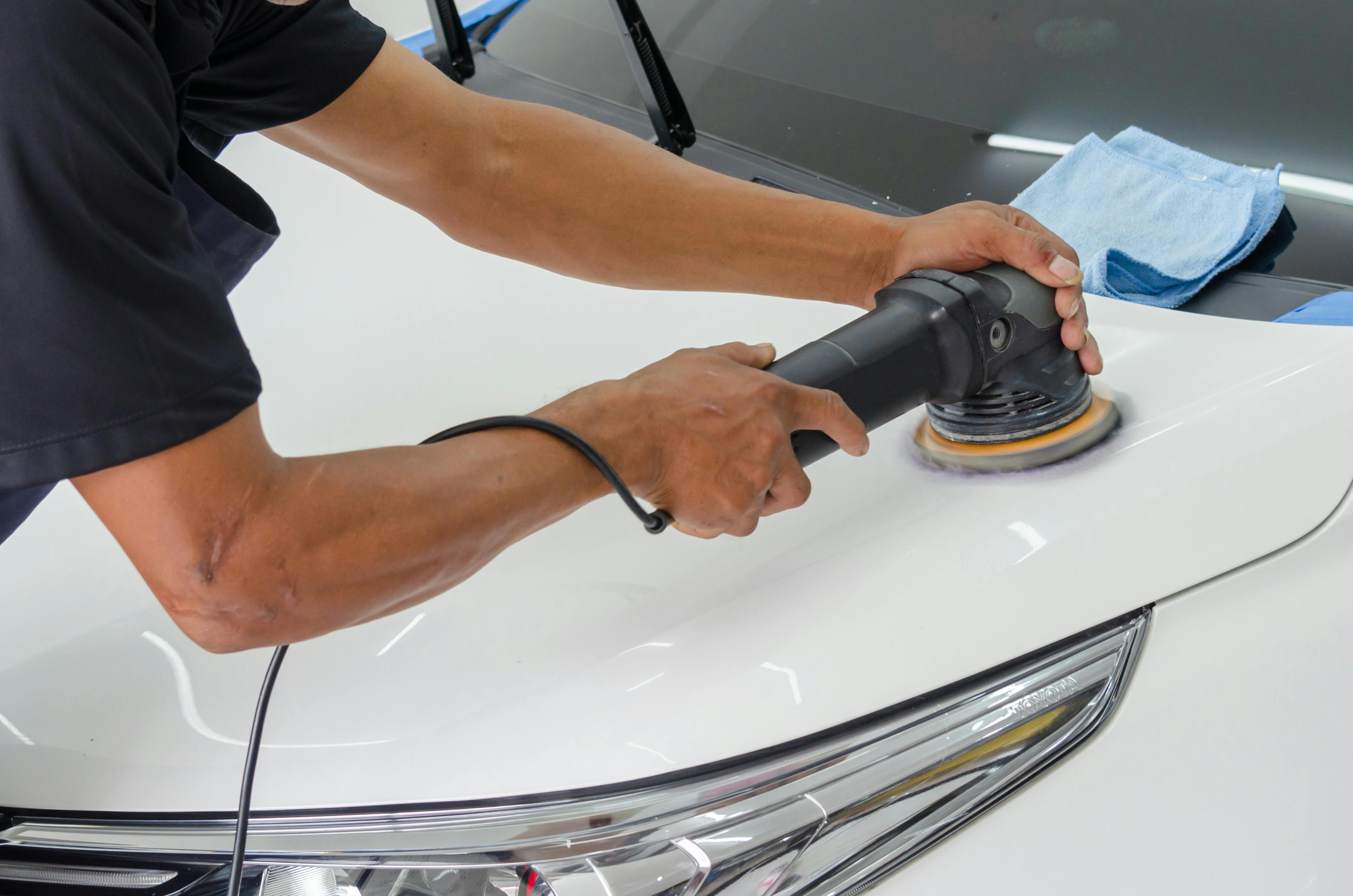
Not all undercoating materials are created equal, and choosing the right one is crucial for effective rust prevention. Mechanics often favor rubberized undercoating for its flexibility and sound-deadening properties, while others prefer wax-based coatings for their superior moisture resistance. Each type of undercoating has its advantages and is suited to different environments and vehicle types. Understanding the properties of each material allows mechanics to make informed decisions, ensuring that the chosen undercoating provides the best possible protection against rust.
Timing Your Undercoating Application

Timing is everything when it comes to undercoating. Mechanics know that applying undercoating in the right weather conditions can significantly enhance its effectiveness. Ideally, undercoating should be applied in dry, warm conditions, as moisture can prevent the coating from adhering properly and reduce its protective qualities. Additionally, applying undercoating before the winter months can provide a crucial barrier against road salt and moisture. By timing the application correctly, mechanics ensure that the undercoating performs optimally, providing long-lasting protection against rust.
The Role of Regular Maintenance
Even the best undercoating will not last forever, which is why regular maintenance is essential. Mechanics recommend inspecting the undercoating at least once a year, looking for signs of wear or damage. Touching up any areas where the undercoating has worn away can prevent rust from gaining a foothold. Regular maintenance also involves washing the undercarriage to remove salt and debris, which can compromise the undercoating over time. By incorporating regular maintenance into their routine, vehicle owners can extend the life of their undercoating and keep rust at bay.
The Benefits of Professional Application
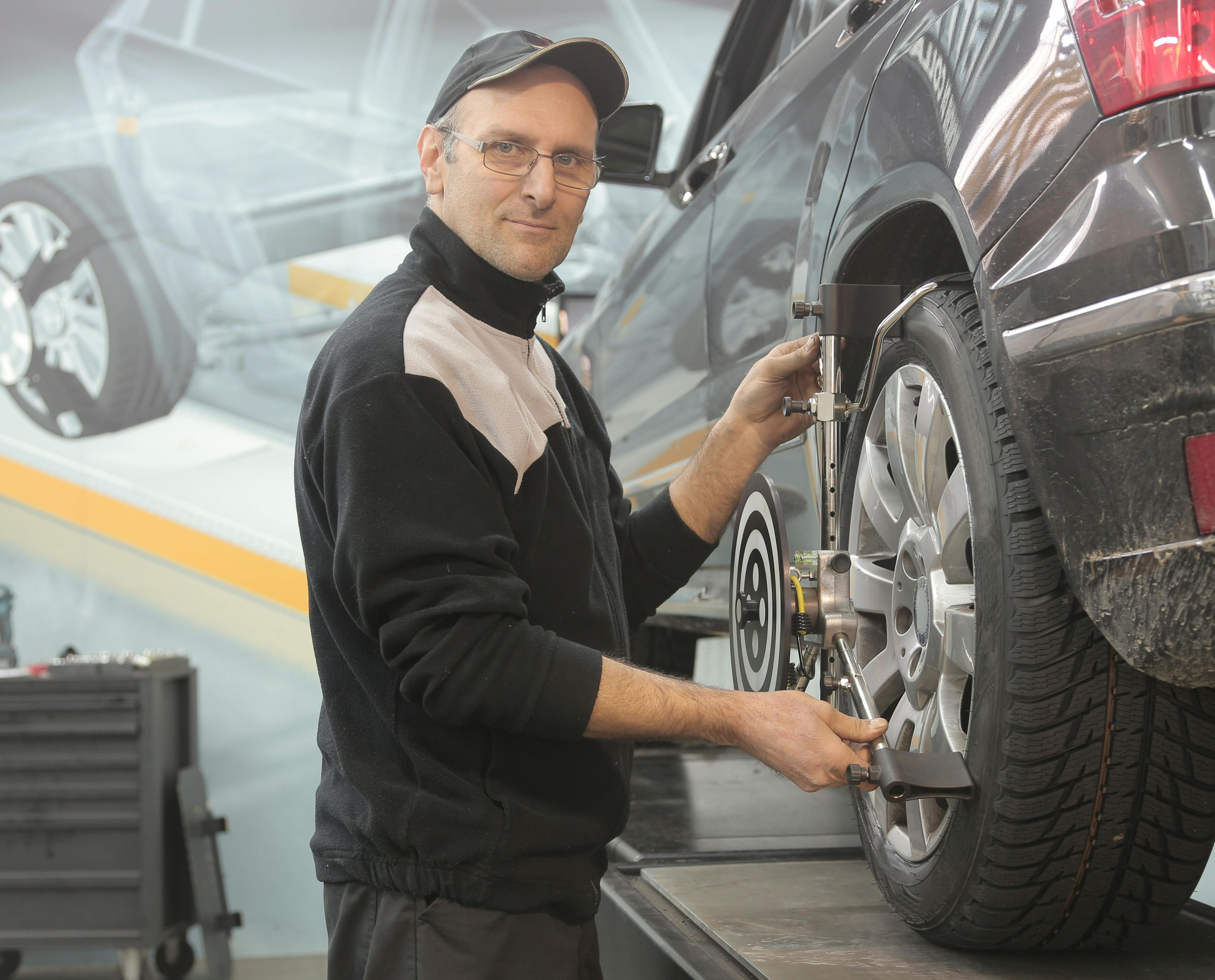
While DIY undercoating kits are available, there are significant benefits to having undercoating applied by a professional mechanic. Professionals have access to high-quality materials and equipment that are not available to the average consumer. They also have the expertise to ensure that the undercoating is applied evenly and thoroughly, covering all vulnerable areas of the vehicle. This professional touch can make a significant difference in the effectiveness and longevity of the undercoating, providing peace of mind that the vehicle is well-protected against rust.
Advanced Techniques for Hard-to-Reach Areas
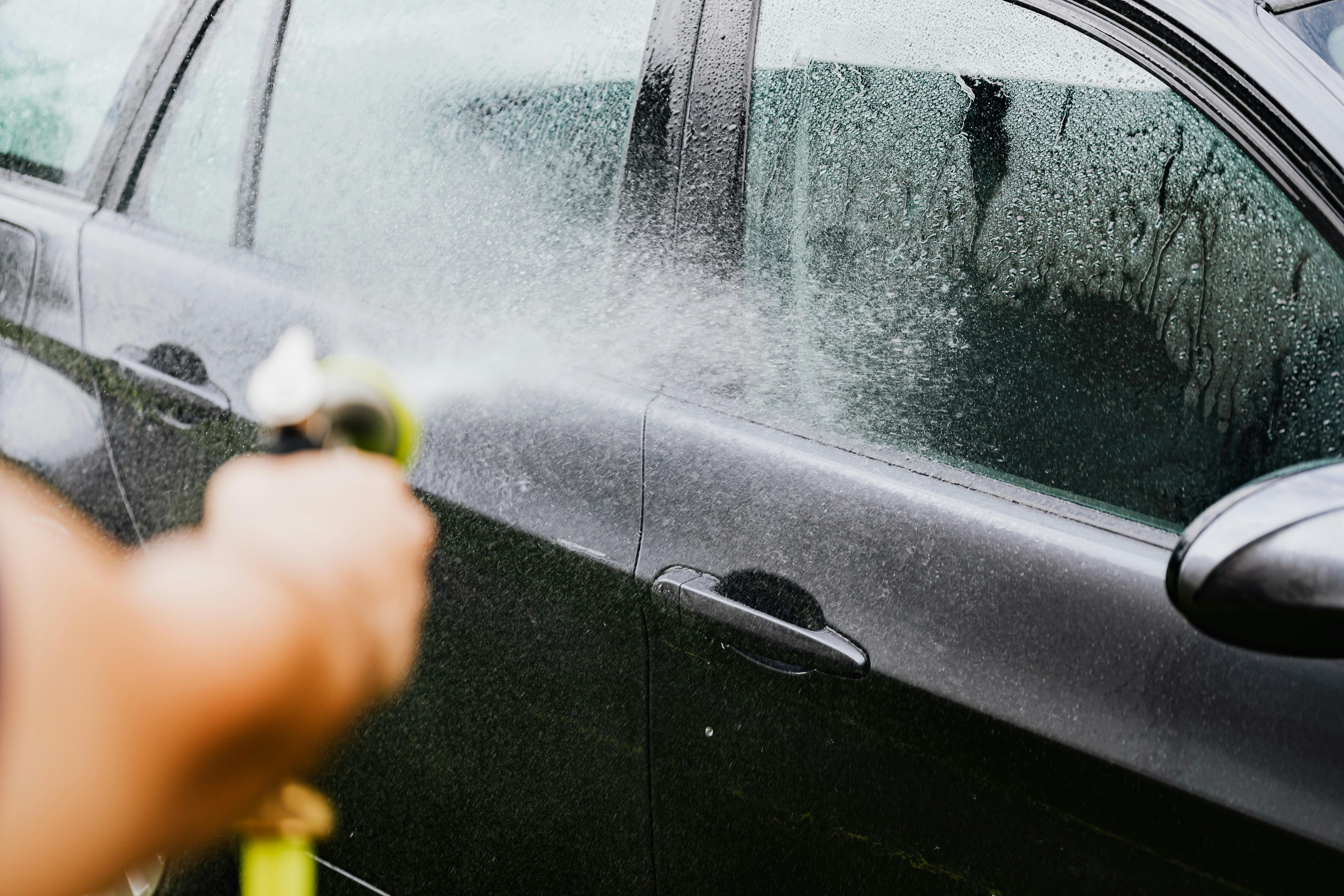
Some areas of a vehicle are more prone to rust due to their exposure to the elements and difficulty to reach. Mechanics use advanced techniques to ensure these areas are adequately protected. This might involve using specialized tools to apply undercoating in tight spaces or employing rust inhibitors that can be sprayed into cavities and crevices. By focusing on these hard-to-reach areas, mechanics can provide comprehensive rust protection that addresses all potential vulnerabilities, ensuring that no part of the vehicle is left unprotected.
Environmental Considerations
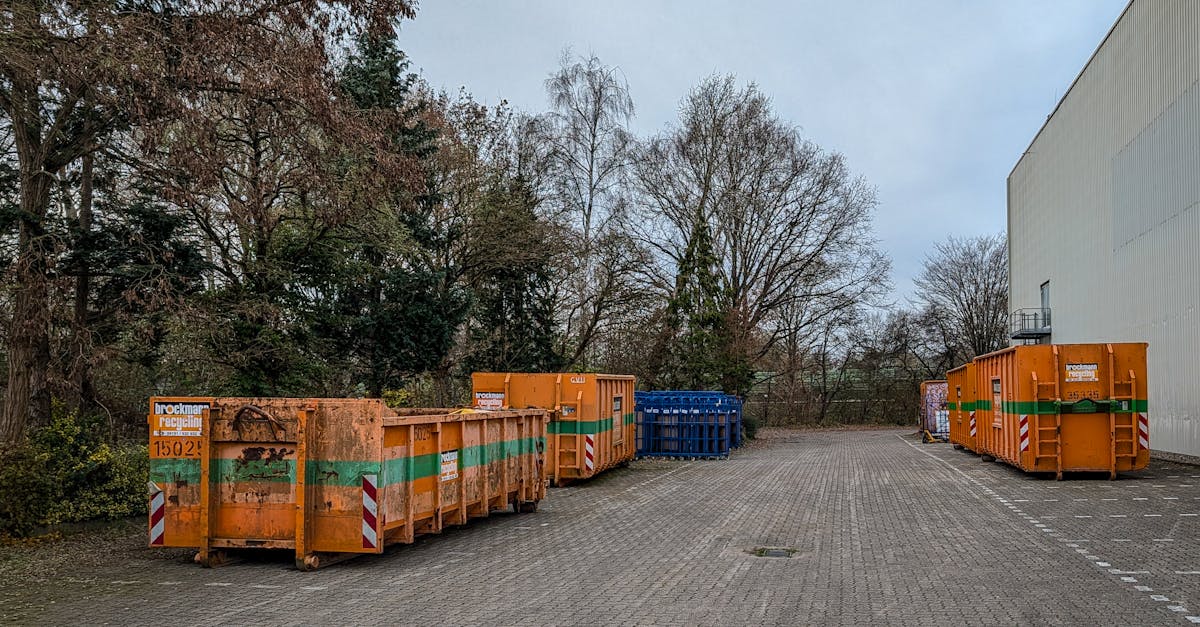
In recent years, there has been a growing awareness of the environmental impact of automotive maintenance practices, including undercoating. Mechanics are increasingly turning to eco-friendly undercoating products that are free from harmful chemicals and solvents. These products provide effective rust protection while minimizing environmental harm. Additionally, some mechanics are exploring alternative methods, such as using plant-based oils, which offer a sustainable option for rust prevention. By considering environmental factors, mechanics can contribute to a cleaner, more sustainable automotive industry.
The Economic Impact of Rust Prevention
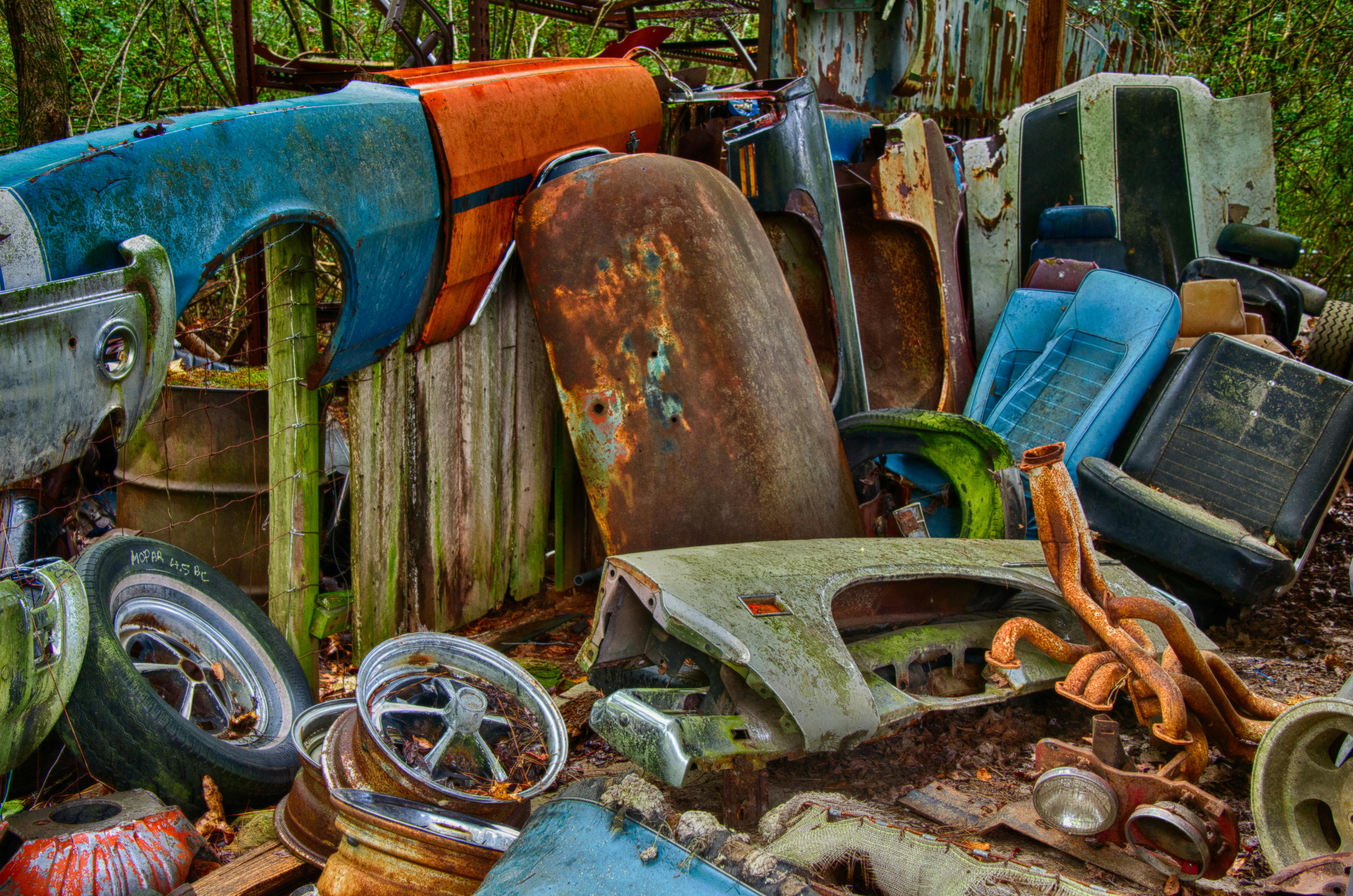
Investing in quality undercoating can have significant economic benefits. By preventing rust, vehicle owners can avoid costly repairs and maintain the resale value of their vehicles. Rust can severely damage a vehicle's structural components, leading to expensive repairs that can be avoided with proper prevention. Furthermore, a well-maintained vehicle is more appealing to potential buyers, allowing owners to command a higher price when it's time to sell. By understanding the economic impact of rust prevention, vehicle owners can make informed decisions that protect their investment and save money in the long run.
A Comprehensive Approach to Rust Prevention
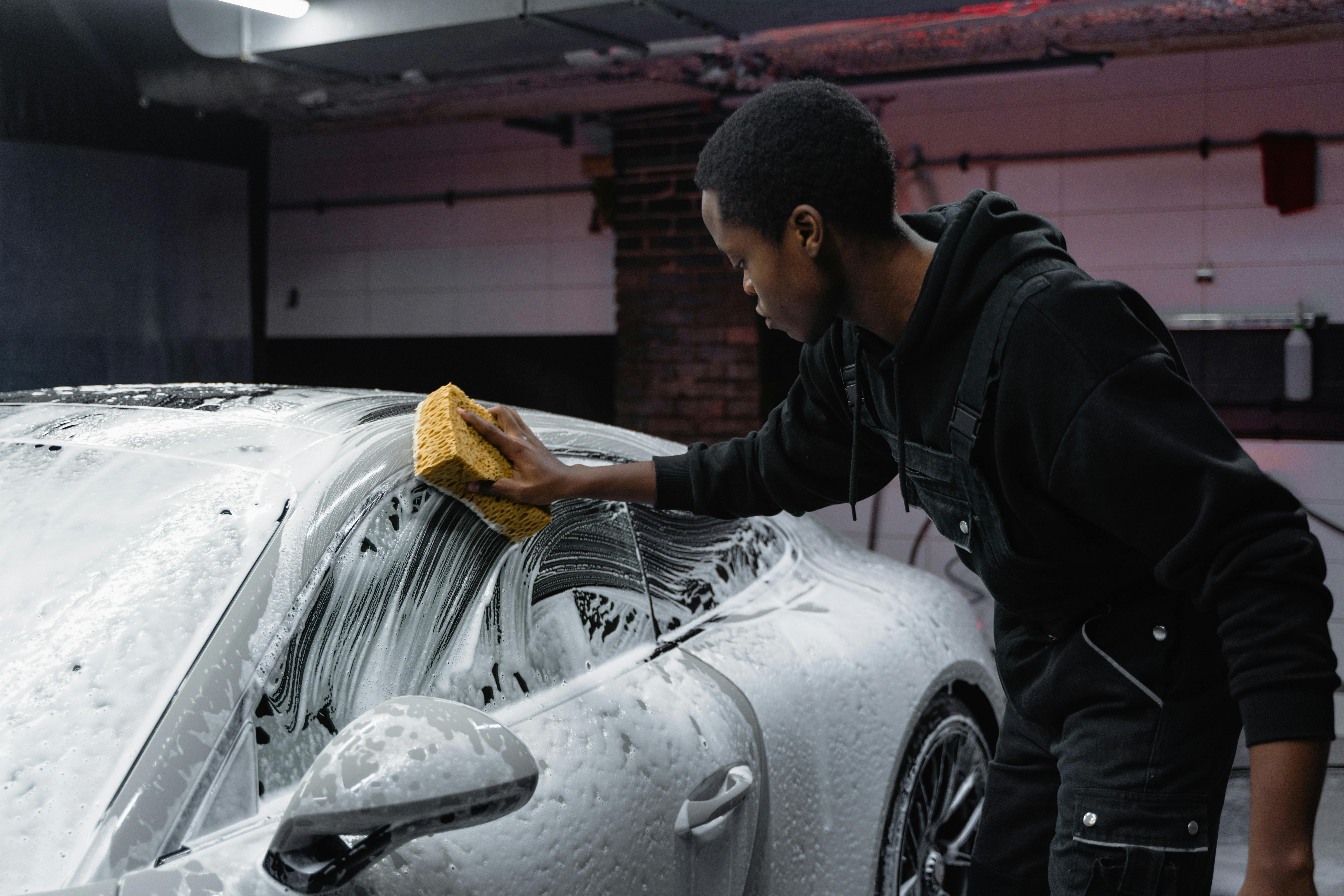
Stopping rust is not a one-time task but an ongoing commitment to vehicle maintenance and care. By employing these nine secret undercoating tips, vehicle owners can protect their vehicles from the damaging effects of rust, ensuring they remain safe, reliable, and visually appealing for years to come. From understanding the science of rust to choosing the right materials and techniques, this comprehensive approach provides a blueprint for effective rust prevention. With the knowledge and insights shared by experienced mechanics, anyone can take proactive steps to stop rust in its tracks and enjoy the full lifespan of their vehicle.