
9 Warning Lights You Can’t Afford to Ignore in a Modern EV or Hybrid
In the rapidly evolving landscape of automotive technology, electric vehicles (EVs) and hybrids represent the forefront of innovation. As these vehicles become more prevalent, understanding their unique systems and warning indicators is crucial for every owner. Unlike traditional combustion engines, EVs and hybrids rely heavily on sophisticated electronic systems and batteries, making their warning lights an essential communication tool between the vehicle and driver. These indicators are not merely suggestions but vital alerts that can prevent costly repairs and ensure safety. This article will delve into the nine critical warning lights that every EV and hybrid owner must recognize and address promptly to maintain optimal vehicle performance and safety.
Battery Charge Warning Light: The Lifeline of Your EV

The battery charge warning light is arguably the most critical indicator in an EV or hybrid vehicle. This light illuminates when the battery's charge level is dangerously low, signaling that the vehicle needs to be recharged immediately. Unlike traditional vehicles, where fuel level can be visually checked, EVs require constant monitoring of battery levels through this warning light. Ignoring this alert can lead to a complete battery drain, leaving you stranded and potentially damaging the battery's long-term health. Understanding the nuances of battery management, including optimal charging cycles and avoiding deep discharges, is vital for maintaining battery longevity and vehicle reliability.
High Voltage System Warning Light: A Call for Caution

The high voltage system warning light indicates a problem within the vehicle's electrical system, which can include issues with the battery, wiring, or power electronics. This warning is particularly critical as it can affect the vehicle's ability to operate safely. High voltage systems in EVs and hybrids are complex and can pose serious safety risks if mishandled. When this light appears, it is essential to stop driving and consult a professional technician immediately. Ignoring this warning can lead to severe electrical failures and even pose a risk of electrical shock, underscoring the need for immediate attention and professional intervention.
Brake System Warning Light: Beyond Conventional Braking

In EVs and hybrids, the brake system warning light serves a dual purpose. It not only indicates traditional braking issues, such as low brake fluid or worn-out brake pads, but also problems with regenerative braking systems. Regenerative braking is a crucial feature in these vehicles, capturing energy during braking to recharge the battery. A malfunction in this system can lead to reduced energy efficiency and compromised braking performance. Addressing brake system warnings promptly ensures that both conventional and regenerative braking systems function correctly, maintaining safety and optimizing energy recovery during driving.
Coolant Temperature Warning Light: Managing Thermal Efficiency

While EVs and hybrids do not have traditional engines, they still require effective thermal management to prevent overheating of the battery and electronic components. The coolant temperature warning light alerts drivers to potential overheating issues, which can stem from a malfunctioning cooling system or blocked airflow. Overheating can severely impact battery performance and lifespan, making this warning light critical to address swiftly. Regular maintenance of the cooling system and ensuring proper airflow can prevent overheating, safeguarding the vehicle's vital components and ensuring efficient operation under various driving conditions.
Tire Pressure Monitoring System (TPMS) Light: Ensuring Optimal Traction

The tire pressure monitoring system (TPMS) light is an essential safety feature in all modern vehicles, including EVs and hybrids. Proper tire pressure is crucial for maintaining optimal traction, handling, and energy efficiency. Under-inflated tires can lead to increased rolling resistance, reducing the range of an EV or hybrid and potentially causing tire blowouts. When the TPMS light illuminates, it signals that one or more tires are not at the recommended pressure. Regularly checking and maintaining tire pressure not only enhances safety but also contributes to the vehicle's overall efficiency and longevity.
Traction Control System (TCS) Warning Light: Navigating Slippery Conditions
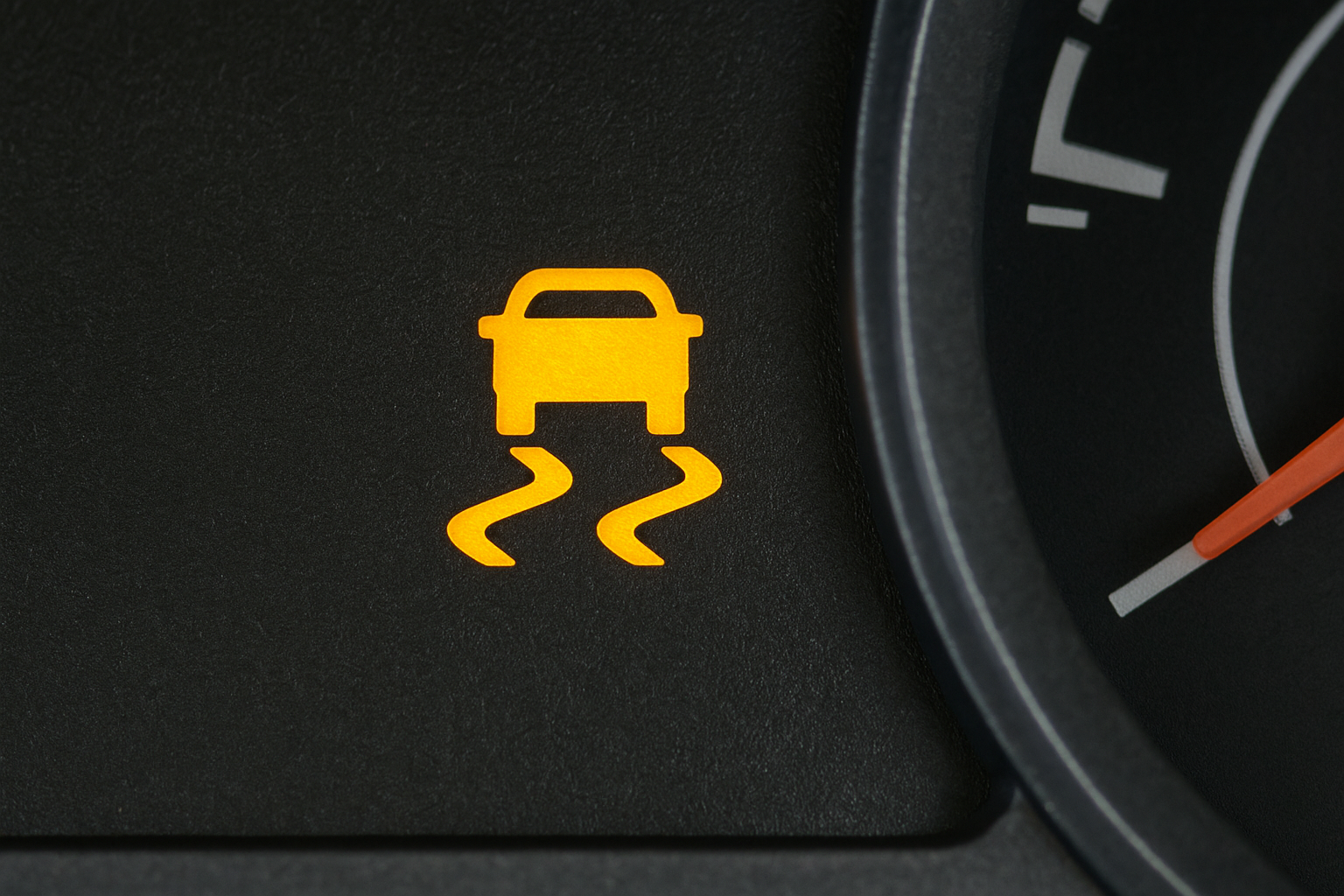
The traction control system (TCS) warning light indicates issues with the vehicle's ability to maintain traction, especially in adverse weather conditions. This system is crucial for preventing wheel spin and maintaining control on slippery surfaces. In EVs and hybrids, where torque delivery can be immediate and powerful, traction control plays a vital role in ensuring stability. If this warning light appears, it may indicate a malfunction in the system, requiring immediate attention to prevent loss of control. Understanding and maintaining the traction control system is essential for safe driving, particularly in challenging environments.
Airbag System Warning Light: Prioritizing Passenger Safety

The airbag system warning light is a critical indicator of potential issues with the vehicle's safety restraint system. Airbags are a fundamental safety feature designed to protect occupants in the event of a collision. When this warning light is illuminated, it suggests a malfunction in the airbag system, which could prevent airbags from deploying correctly during an accident. Addressing this warning promptly is crucial to ensure that all safety systems are operational and capable of providing the necessary protection. Regular diagnostic checks and maintenance of the airbag system are vital to guarantee passenger safety at all times.
Service Vehicle Soon Light: Proactive Maintenance for Longevity

The service vehicle soon light is a general warning that indicates the need for scheduled maintenance or minor repairs. This light serves as a reminder to address routine vehicle care, which is essential for preventing more significant issues down the line. In EVs and hybrids, regular maintenance includes checking the battery, electrical systems, and mechanical components to ensure everything is functioning correctly. Proactive maintenance not only extends the vehicle's lifespan but also enhances performance and efficiency. Ignoring this warning can lead to neglected issues that may escalate into costly repairs, highlighting the importance of timely service.
Charging System Warning Light: Ensuring Reliable Energy Flow
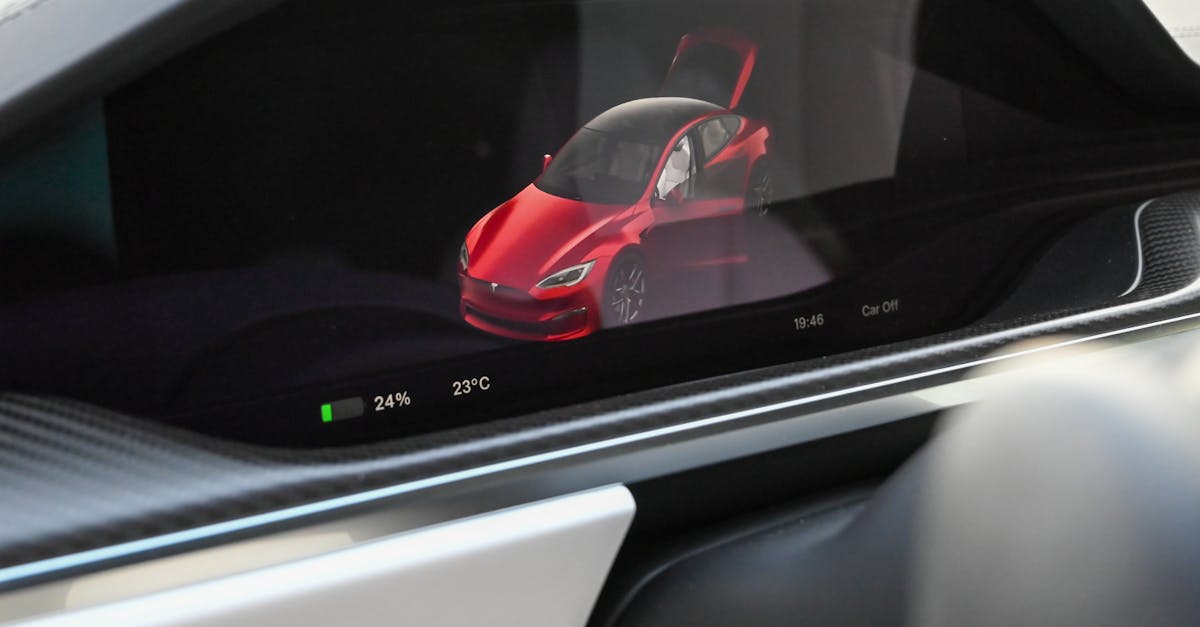
The charging system warning light signals a problem with the vehicle's ability to charge the battery effectively. This can be due to issues with the charger, charging port, or internal charging components. For EVs and hybrids, a reliable charging system is essential for maintaining the vehicle's energy supply and ensuring readiness for daily use. If this light appears, it is crucial to investigate and resolve the issue promptly to avoid disruptions in charging and potential battery damage. Regular checks of the charging system and using recommended charging equipment can prevent these problems, ensuring consistent energy flow and vehicle reliability.
Staying Informed for Safe and Efficient Driving

Understanding and responding to warning lights in modern EVs and hybrids is essential for ensuring safety, efficiency, and vehicle longevity. Each warning light serves as a critical communication tool, alerting drivers to potential issues that require immediate attention. By staying informed and proactive about these warnings, drivers can prevent costly repairs, enhance performance, and ensure the safety of themselves and their passengers. As EV and hybrid technology continues to evolve, so too must our awareness and understanding of these sophisticated systems, empowering us to navigate the future of driving with confidence and care.