
The Lifetime Myth: 10 "Lifetime" Car Parts Mechanics Replace Every 60,000 Miles
In the world of automotive maintenance, the term "lifetime" often carries a misleading promise. Many car owners are lulled into a false sense of security, believing that certain components will last indefinitely. However, experienced mechanics know that "lifetime" parts are often far from everlasting. This misconception can lead to unexpected breakdowns and costly repairs. In reality, many of these so-called "lifetime" parts require replacement approximately every 60,000 miles to ensure optimal vehicle performance and safety. This article delves into the top ten car components frequently marketed as lifetime parts, revealing the truth behind their durability and the importance of regular maintenance.
The Reality of "Lifetime" Engine Oil
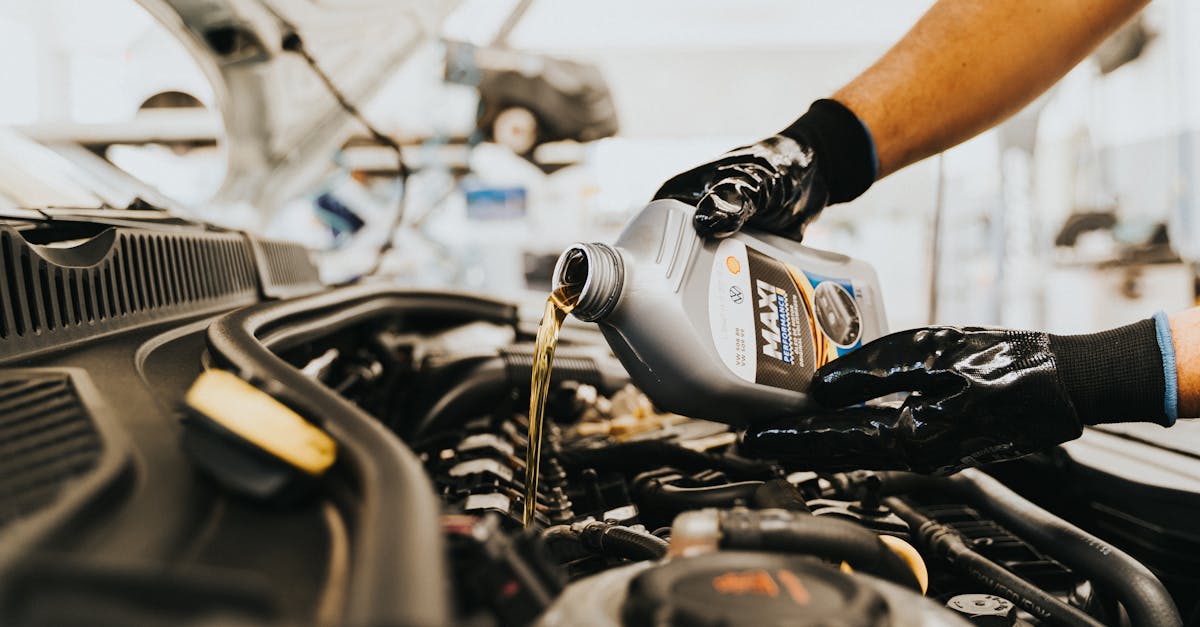
Engine oil is often touted as a "lifetime" component in modern vehicles, especially with the advent of synthetic oils and advanced engine technologies. However, even the best synthetic oils degrade over time and with use, losing their lubricating and protective properties. Mechanics recommend changing engine oil every 5,000 to 7,500 miles, but for those who drive long distances frequently, the 60,000-mile mark is crucial for a more comprehensive check. At this point, oil filters should also be replaced to ensure that contaminants don't compromise engine performance. Ignoring these intervals can lead to increased engine wear, reduced efficiency, and ultimately, costly repairs.
Transmission Fluid - The Silent Worker
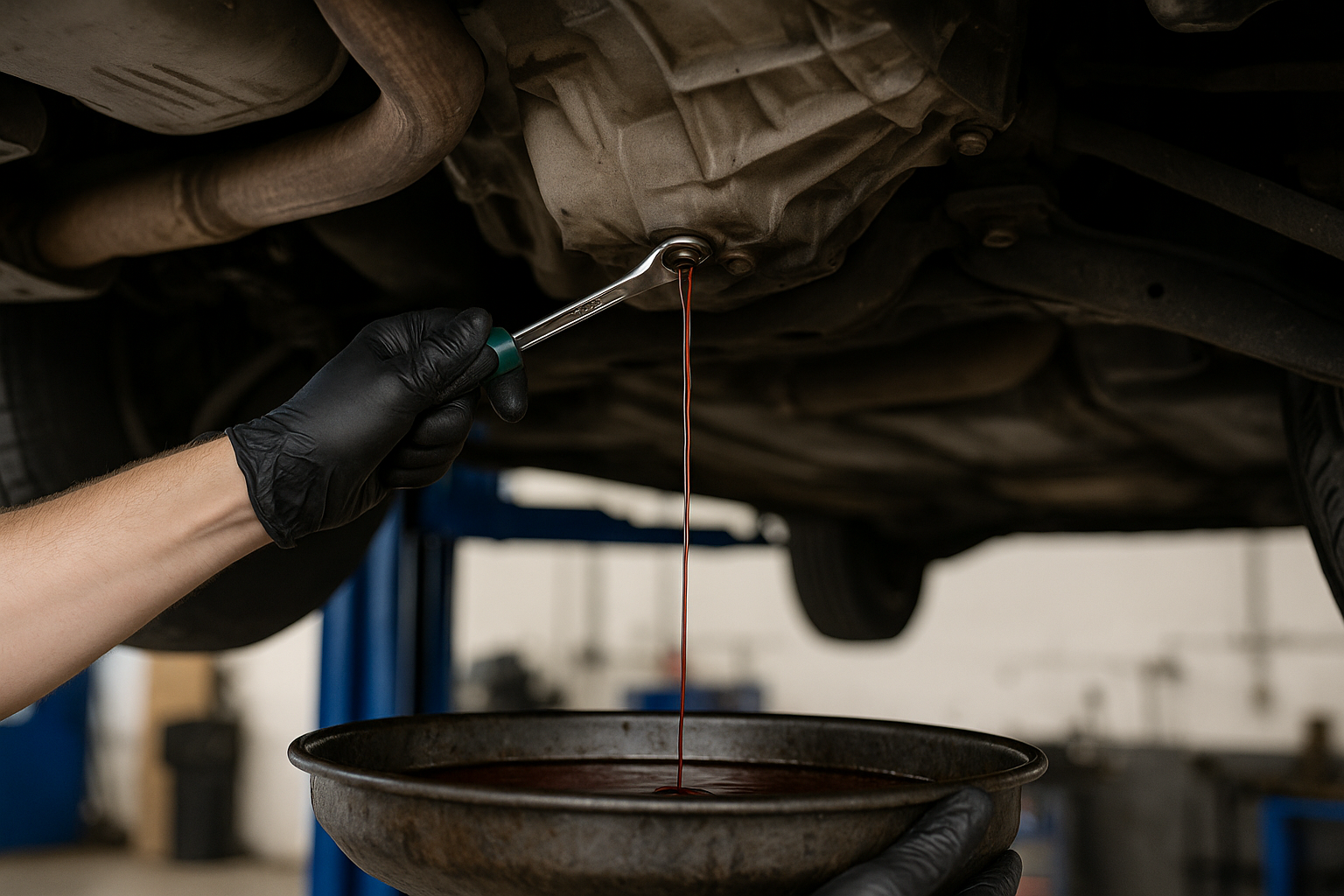
Transmission fluid is another component often believed to last the vehicle's lifetime. This fluid plays a critical role in ensuring smooth gear shifts and overall transmission health. However, over time, transmission fluid can break down and become contaminated with metal shavings and other debris. Mechanics recommend checking and possibly replacing transmission fluid every 60,000 miles. Regular maintenance of this fluid can prevent transmission slippage, overheating, and eventual failure. Given the high cost of transmission repairs, adhering to this maintenance schedule can save car owners significant expenses and extend the life of their vehicle's transmission system.
The Myth of Lifetime Coolant
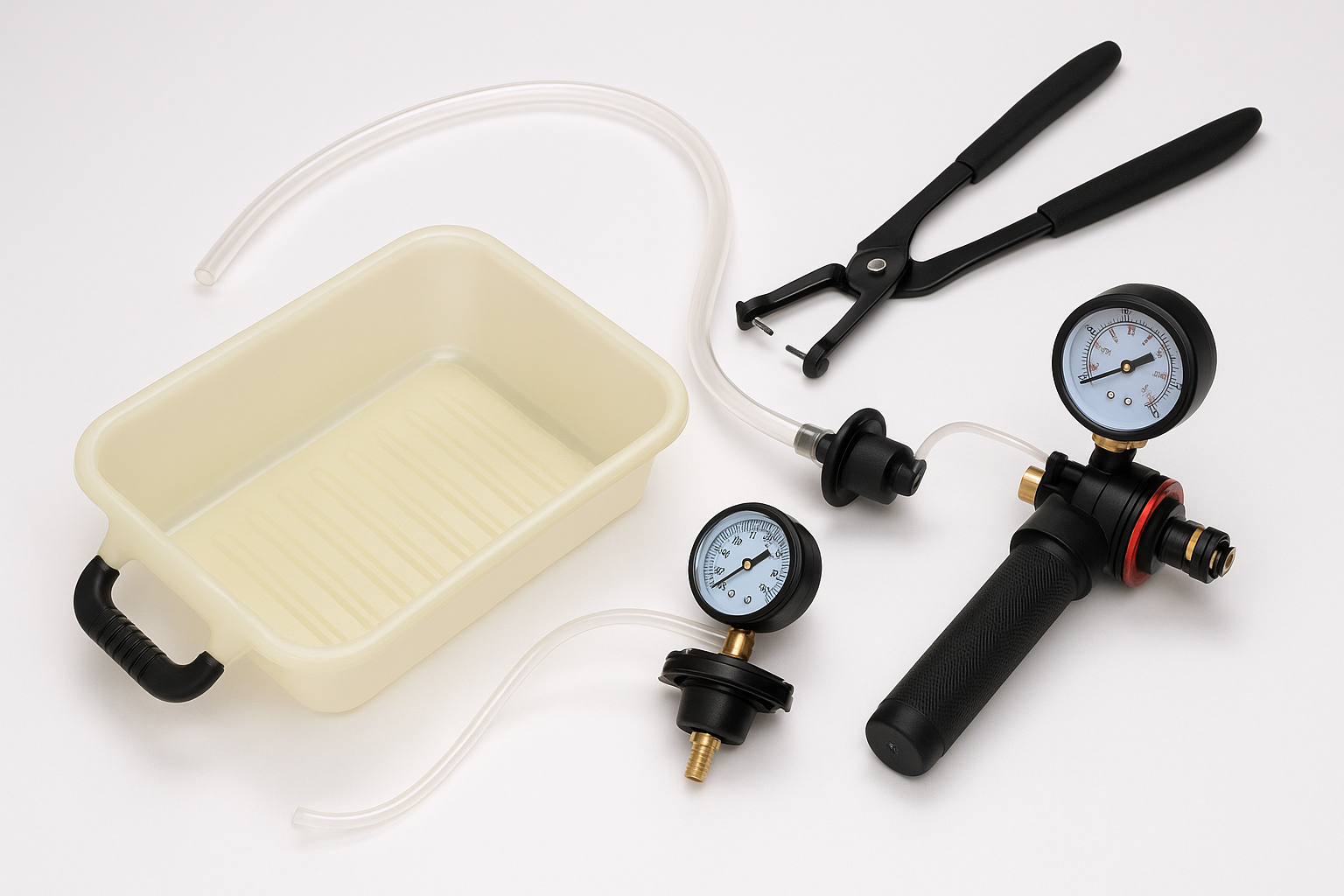
Coolant, or antifreeze, is essential for regulating engine temperature and preventing overheating. While some manufacturers claim their coolant lasts a lifetime, the reality is different. Over time, coolant can become acidic and lose its effectiveness, leading to corrosion and damage to the radiator and other engine components. Mechanics often suggest a coolant flush and replacement every 60,000 miles to maintain the cooling system's integrity. Neglecting this can result in overheating, which can cause severe engine damage. Regular coolant maintenance ensures the engine runs smoothly and prevents costly repairs down the line.
Brake Fluid - The Overlooked Essential
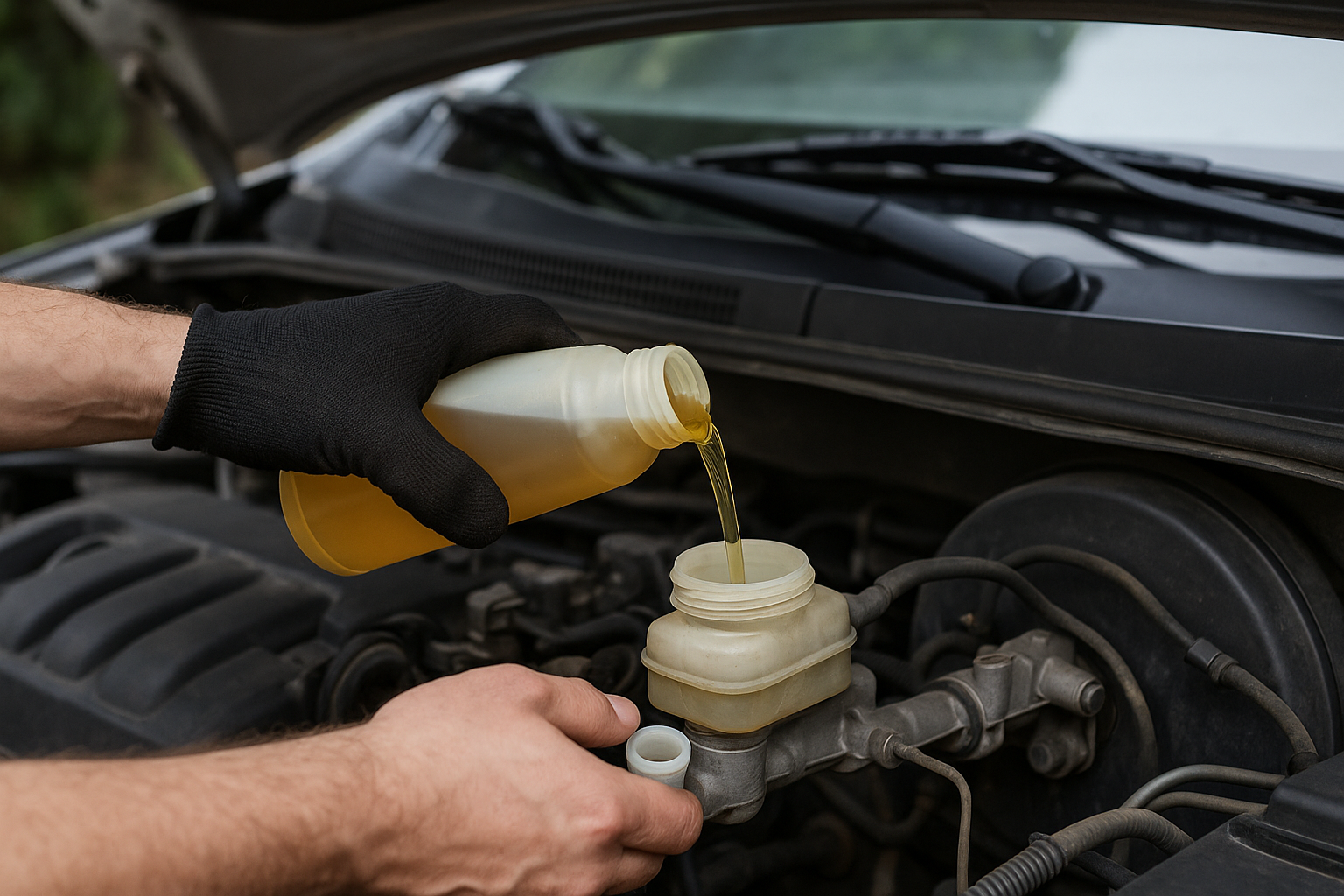
Brake fluid is critical for the proper functioning of a vehicle's braking system, yet it is often overlooked. Despite being labeled as a "lifetime" fluid by some manufacturers, brake fluid is hygroscopic, meaning it absorbs moisture over time. This moisture can lead to corrosion in the braking system and reduce braking efficiency. Mechanics recommend replacing brake fluid every 60,000 miles to ensure optimal braking performance and safety. Failing to do so can result in spongy brakes and, in severe cases, brake failure. Regular brake fluid maintenance is essential for safe driving and avoiding expensive brake system repairs.
Spark Plugs - The Ignition Key
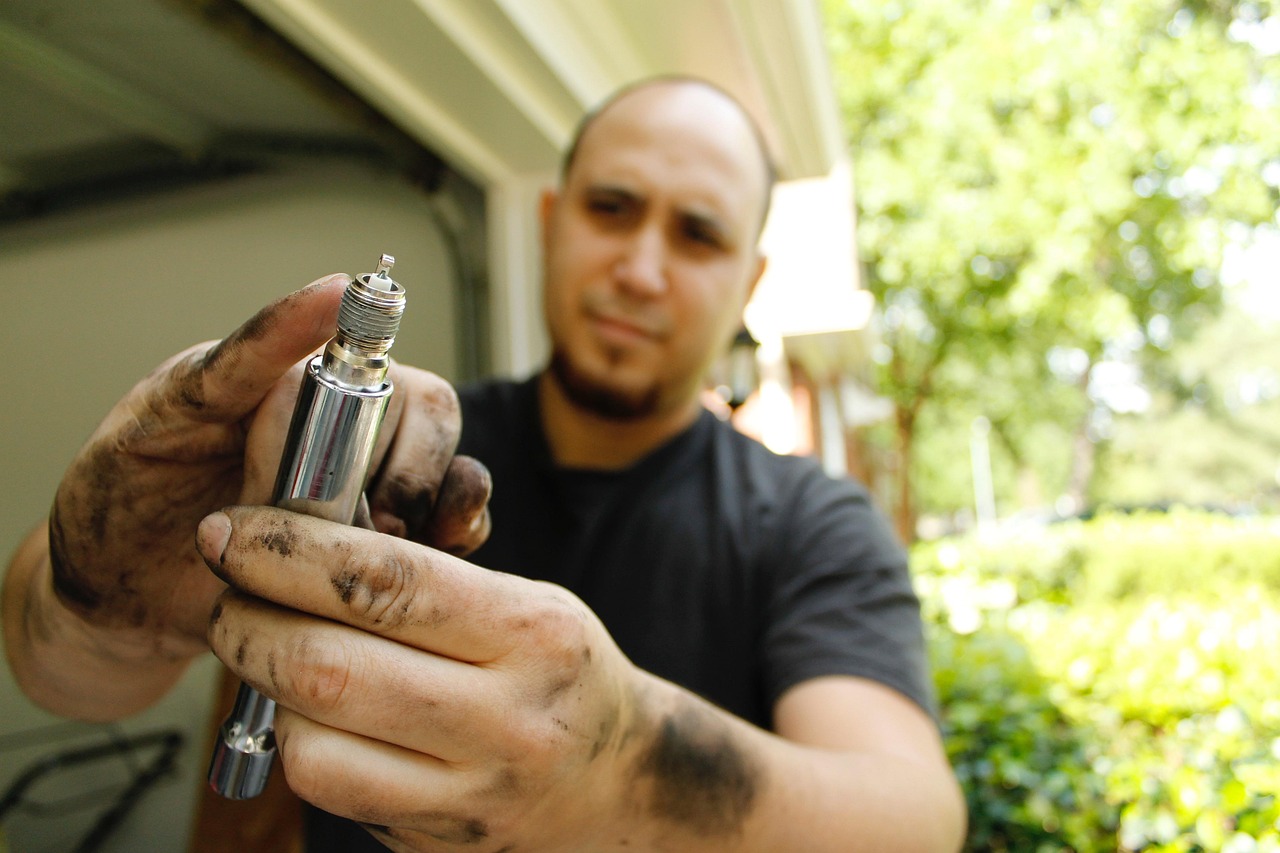
Spark plugs are crucial for igniting the air-fuel mixture in the engine, and their performance directly affects engine efficiency and power. While some spark plugs are marketed as "lifetime" components, they typically need replacement every 60,000 miles. Over time, spark plugs can become fouled or worn, leading to misfires, reduced fuel efficiency, and increased emissions. Regular inspection and replacement of spark plugs ensure that the engine runs smoothly and efficiently. Mechanics emphasize the importance of using the right type of spark plug for each vehicle to maintain optimal performance and avoid engine damage.
Timing Belt - The Engine's Conductor
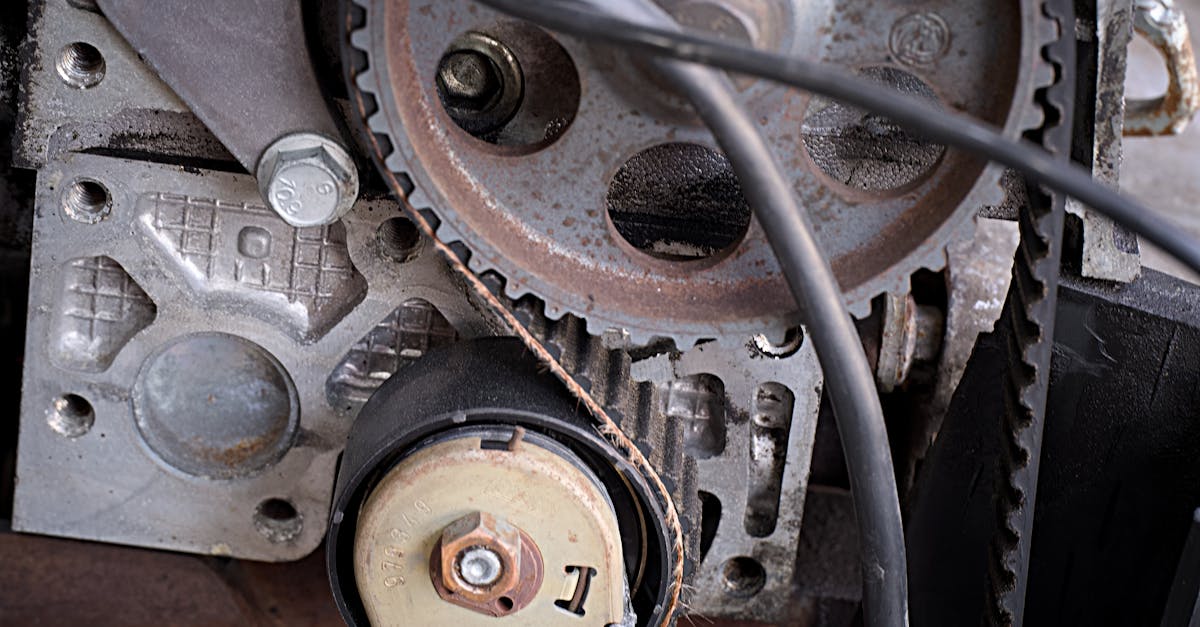
The timing belt plays a vital role in synchronizing the engine's camshaft and crankshaft, ensuring the engine's valves open and close at the proper times. Despite being labeled as "lifetime" parts in some vehicles, timing belts are subject to wear and tear. Mechanics typically recommend replacing the timing belt every 60,000 to 100,000 miles, depending on the vehicle model. A worn or broken timing belt can cause catastrophic engine damage, leading to costly repairs. Regular inspection and timely replacement of the timing belt are essential for maintaining engine health and preventing unexpected breakdowns.
Fuel Filter - The Guardian of Clean Fuel
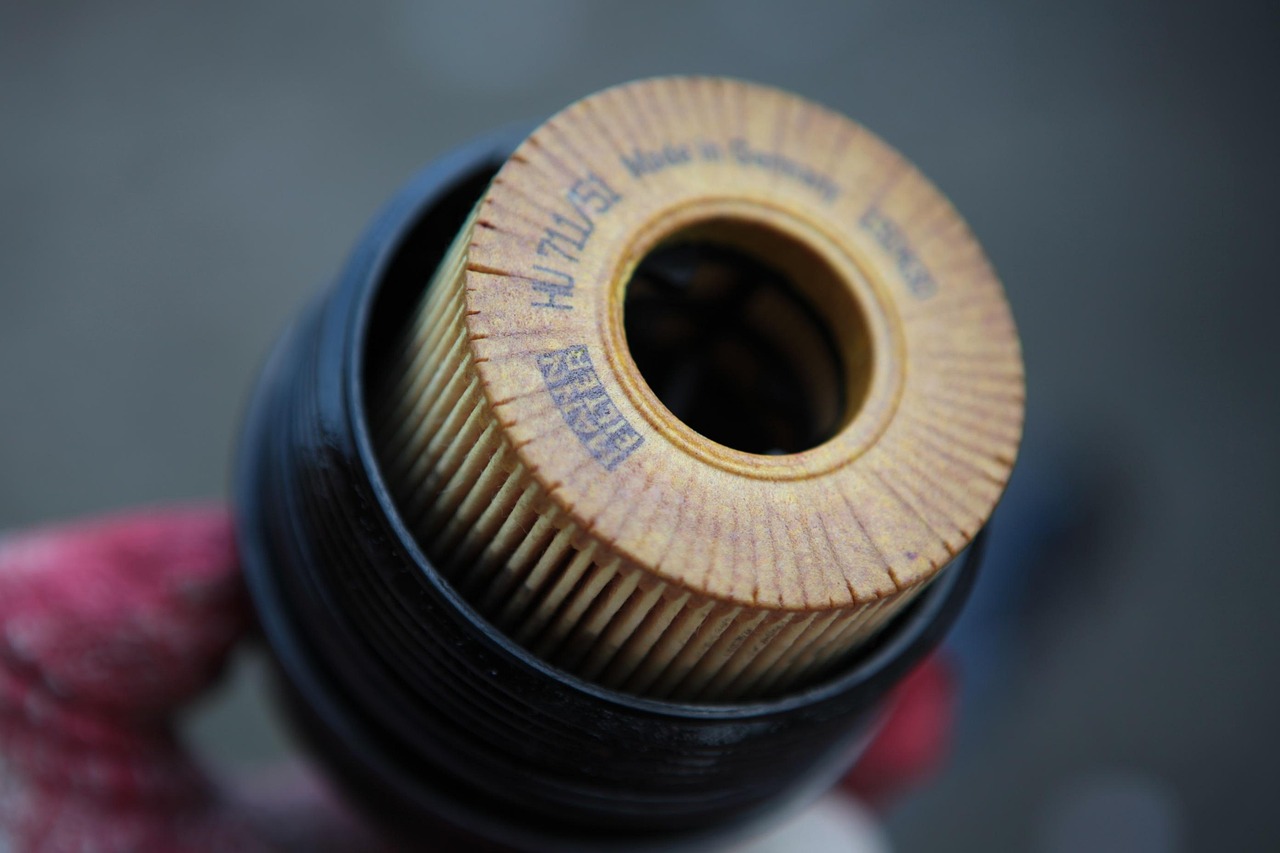
The fuel filter is responsible for trapping dirt, rust, and other contaminants from the fuel before it reaches the engine. While some might consider it a "lifetime" part, mechanics advise replacing the fuel filter every 60,000 miles to ensure the engine receives clean fuel. A clogged fuel filter can lead to reduced engine performance, stalling, and even damage to the fuel injectors. Regular replacement of the fuel filter helps maintain engine efficiency and prolongs the life of the fuel system components. This simple maintenance step can prevent costly repairs and ensure reliable vehicle performance.
Air Filter - The Engine's Breathing Apparatus
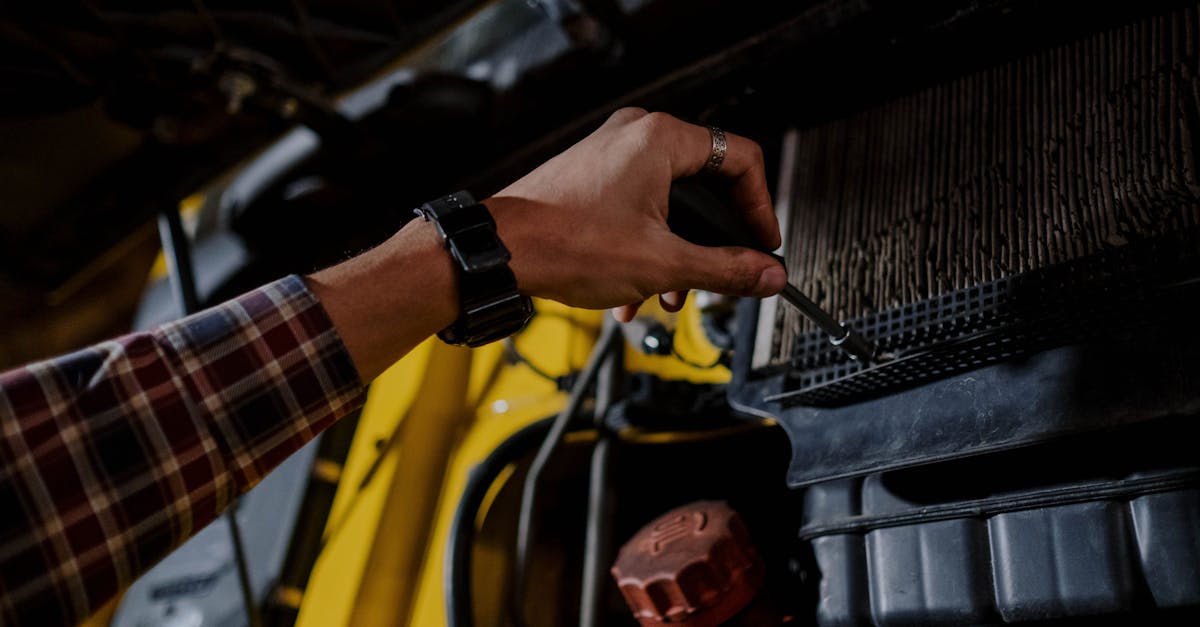
The air filter plays a crucial role in preventing dirt and debris from entering the engine, ensuring it receives clean air for combustion. Although some air filters are marketed as "lifetime" components, they typically require replacement every 30,000 to 60,000 miles, depending on driving conditions. A clogged air filter can lead to reduced engine performance, increased fuel consumption, and higher emissions. Regular inspection and replacement of the air filter ensure the engine runs efficiently and prolongs its lifespan. Mechanics emphasize the importance of choosing the right air filter for each vehicle to maintain optimal performance.
Cabin Air Filter - The Unsung Hero of Comfort
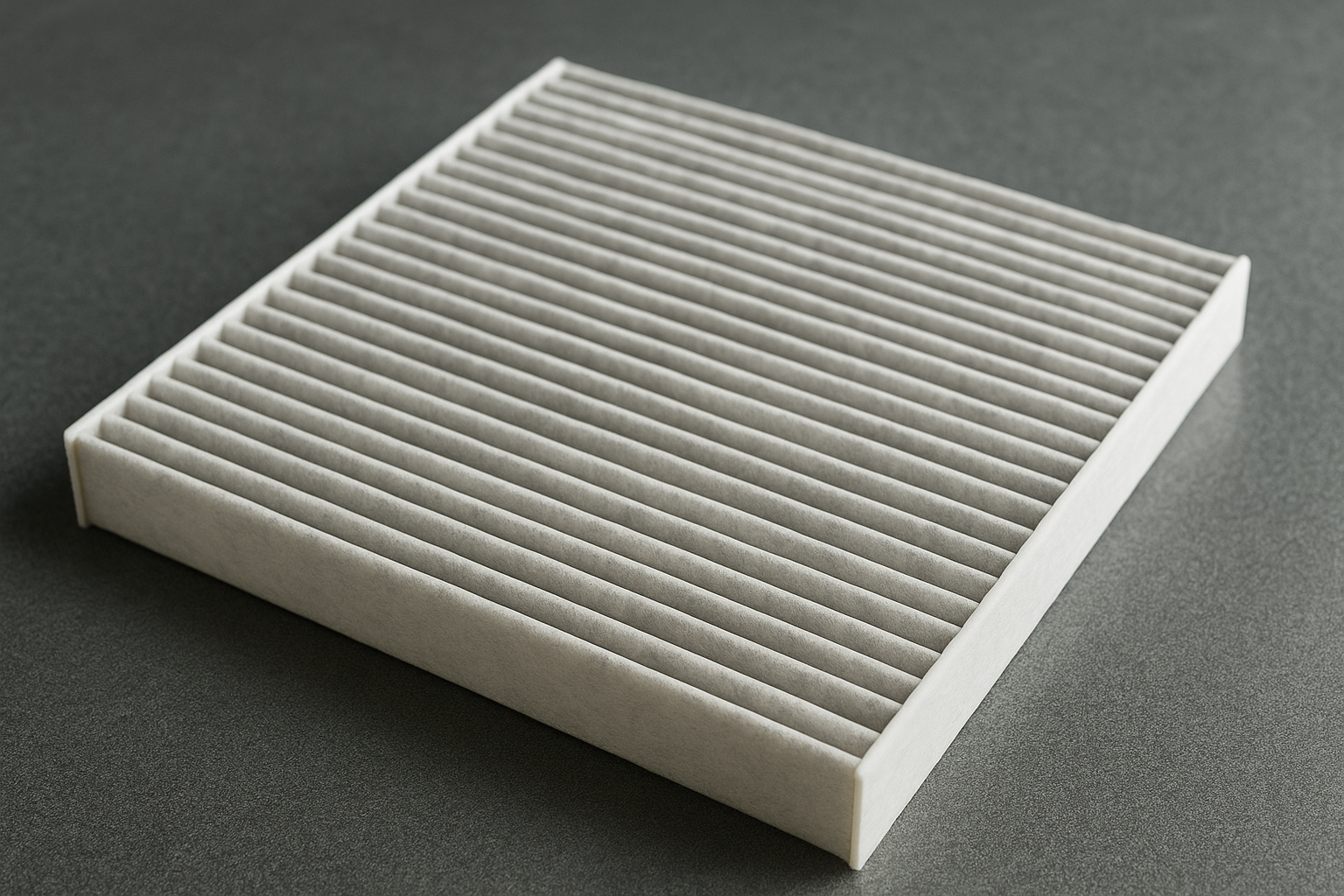
The cabin air filter is responsible for filtering the air that enters the vehicle's interior, ensuring a clean and comfortable environment for passengers. Despite being labeled as "lifetime" parts, cabin air filters can become clogged with dust, pollen, and other pollutants over time. Mechanics recommend replacing the cabin air filter every 15,000 to 30,000 miles, or every 60,000 miles at the latest, to maintain air quality and prevent strain on the vehicle's HVAC system. Regular replacement of the cabin air filter not only enhances passenger comfort but also improves the efficiency of the heating and cooling systems.
Drive Belt - The Power Distributor
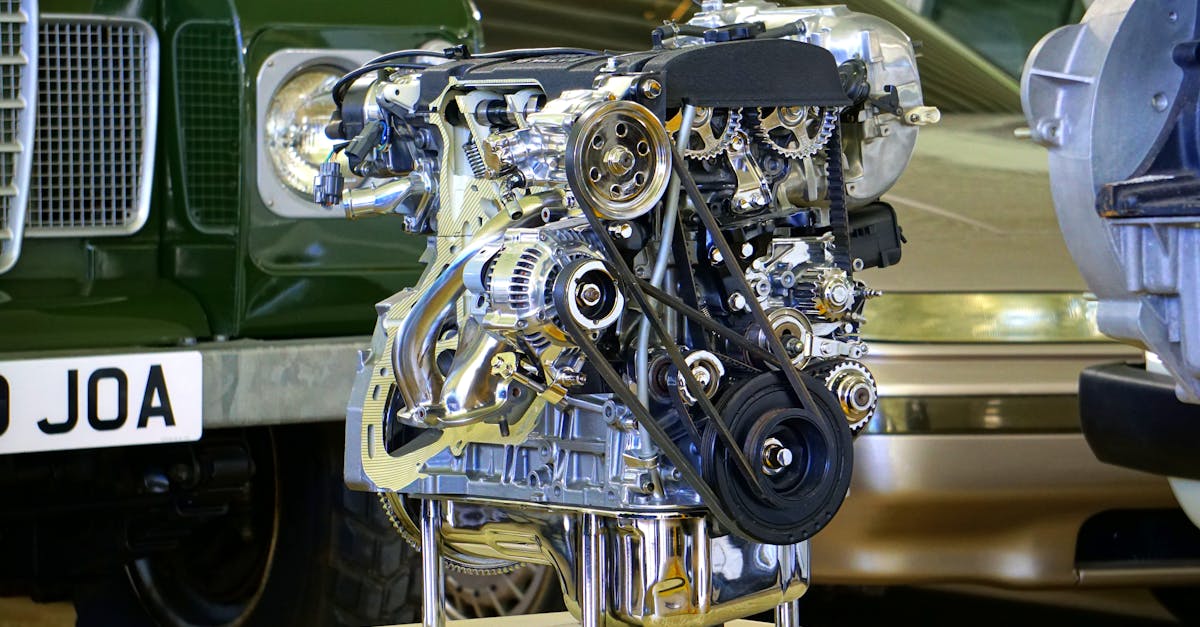
The drive belt, also known as the serpentine belt, powers various engine accessories such as the alternator, power steering pump, and air conditioning compressor. Although marketed as "lifetime" parts, drive belts are subject to wear and tear and typically require replacement every 60,000 to 100,000 miles. A worn or damaged drive belt can lead to accessory failure and leave drivers stranded. Regular inspection and timely replacement of the drive belt ensure that all engine accessories function properly and prevent unexpected breakdowns. Mechanics stress the importance of using high-quality drive belts to ensure longevity and reliability.
The Importance of Vigilant Maintenance

The myth of "lifetime" car parts can lead to complacency among car owners, resulting in neglected maintenance and unexpected breakdowns. As we've explored, many components marketed as "lifetime" parts require regular inspection and replacement, often around the 60,000-mile mark, to ensure vehicle safety and performance. By understanding the true lifespan of these components and adhering to recommended maintenance schedules, car owners can prevent costly repairs and extend the life of their vehicles. Vigilant maintenance is key to debunking the "lifetime" myth and ensuring a reliable and enjoyable driving experience.