
Stop Buying Air Fresheners: 6 DIY Car Scents That Actually Work
If you've ever wondered whether those little cardboard trees or $20 electronic fresheners are actually the best way to keep your car smelling sharp, you're far from alone. The commercial air freshener aisle is packed with enticing options, but dive beneath the marketing and you'll notice a familiar pattern: expensive repeats, questionable chemicals, and limited customization. That's where the spirit of DIY engineering comes in. The six homemade car scents we've lined up here don't just rival their store-bought siblings—they often outlast them, save you money, and let you design a scent profile that's unmistakably yours. Whether you crave a lavender-and-lemon aroma or want to make your ride’s air truly fresh (not just perfumed), these methods put the driver's creativity in the spotlight. Each technique carries a bit of automotive ingenuity—combining science, thrift, and hands-on satisfaction—so you can sidestep mystery chemicals and inject a hint of car enthusiast wizardry into your daily commute. As you explore these alternatives, remember: the best scent for your vehicle is the one you build yourself, matched to your tastes, budget, and standards for safety. Let’s get under the hood of DIY car scents and find out which method suits your style.
1. Essential Oil Wool Ball Diffusers
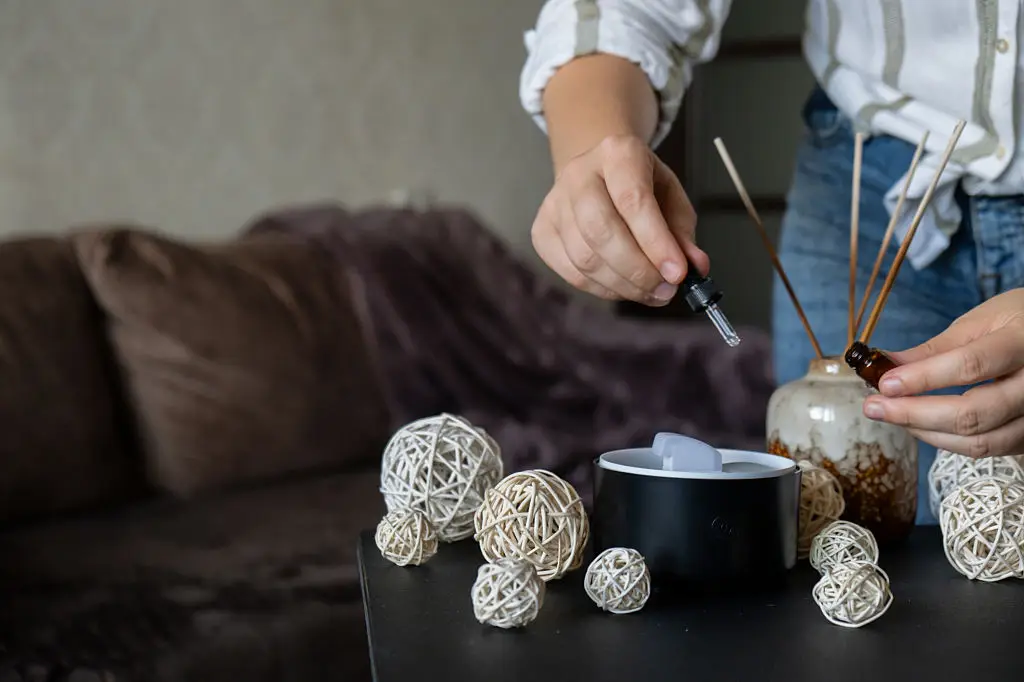
Sometimes the simplest ideas harness the most effective results. Grab a few wool balls (even the ones designed for laundry), add several drops of your favorite essential oils, and secure them together with decorative ribbon or string. Hang this bundle from your rearview mirror or tuck it under a seat for subtle, steady scent delivery. The science here borrows from classic aromatherapy—the wool absorbs oils and slowly releases them as air circulates. Not all essential oils are created equal, though. Choose those labeled car-safe (lavender, lemon, or eucalyptus are popular) and steer clear of overpowering blends or those that might irritate sensitive passengers. Refilling is simple: once the aroma fades after a week or so, just reapply oil. While this method won't mask persistent odors the way heavy-duty commercial products do, it offers a customizable fragrance without extra chemicals or unnecessary plastic. A pack of wool balls costs just a few dollars, and a single essential oil bottle can scent your ride for months, making this perhaps the best dollar-for-mile option on the list. Take care to avoid excess oil, which can stain surfaces or trigger allergies if overused.
2. Dryer Sheet Vent Trick
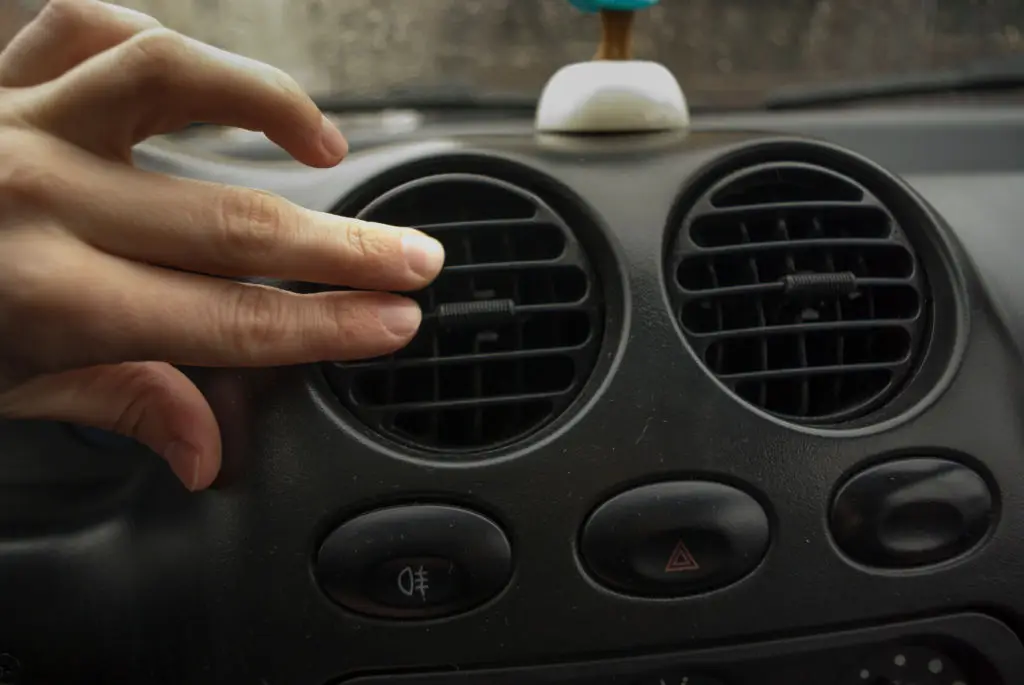
For decades, drivers have used dryer sheets as a quick fix for stale car interiors—a trick passed down from savvy grandmas and road-tripping college students alike. The process is easy: tuck a couple of fresh dryer sheets behind your car’s air vents, or simply place them under seats or in storage cubbies. When the A/C or heater is on, airflow picks up the subtle scent, lightly infusing the entire cabin. This hack leverages everyday laundry supplies, making it one of the cheapest options around. A box of sheets will last for months, letting you alternate scents without extra investment. However, keep in mind that commercial dryer sheets do contain synthetic fragrances and softeners—perfect for fans of classic “clean linen” smells, but not for those avoiding artificial chemicals. Safety-wise, make sure the sheets stay clear of vent mechanics and don’t obstruct airflow. If you or your passengers have sensitivities to strong artificial scents, start with just one sheet or opt for “free and clear” variants. While results tend to last about a week per sheet, swapping them is easy and costs only a fraction compared to disposable car fresheners.
3. Fabric Softener Sponge Jars
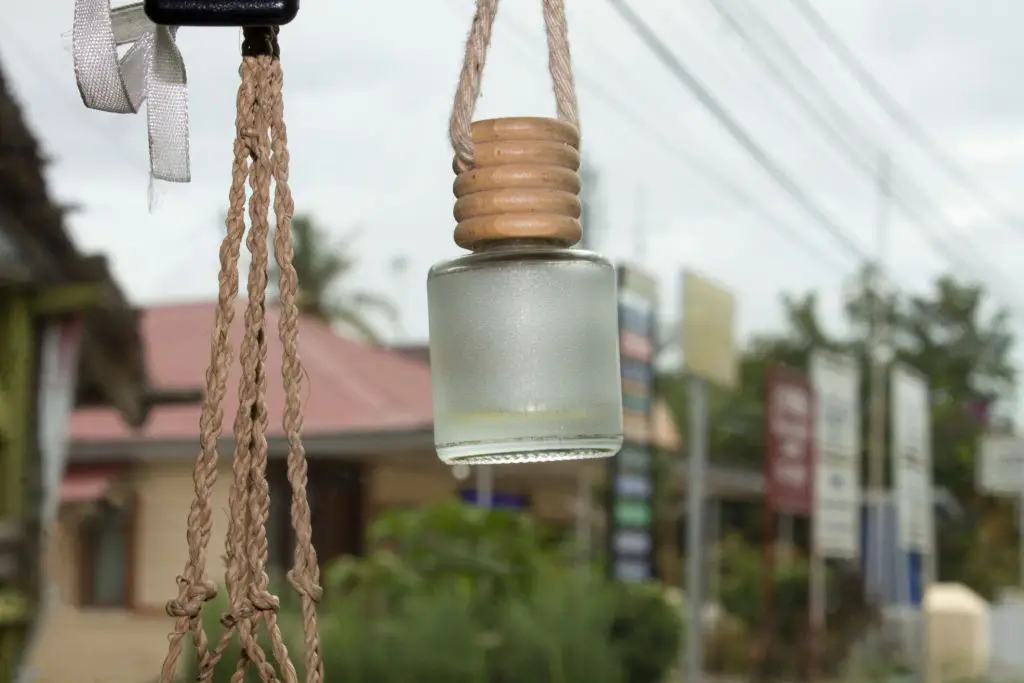
Turn a kitchen staple into a car scent powerhouse with this clever, refillable approach. Start by filling a small mason jar or plastic container with kitchen sponge pieces, then add a mixture of diluted fabric softener and water—just enough to saturate but not puddle at the bottom. Poke a few holes in the jar lid, pop it under your seat or in the trunk, and let gradual evaporation handle the rest. The sponges act as scent diffusers, while the softener creates that familiar “fresh laundry” aroma for weeks. Be sure to dilute thoroughly, as concentrated softener can be overwhelming in tight car spaces and may pose a sneaky spill hazard if the jar tips over. While social media dubs this a “non-toxic” alternative, its actual safety profile depends largely on the brand you use. If safety is your priority, choose fragrance-free or naturally derived softeners, and keep containers tightly sealed. DIY sponge jars are cheap to refill, and their scent can usually be revived simply by adding more mixture every two weeks, far outlasting most disposable alternatives.
4. Simmer Potpourri Satchets
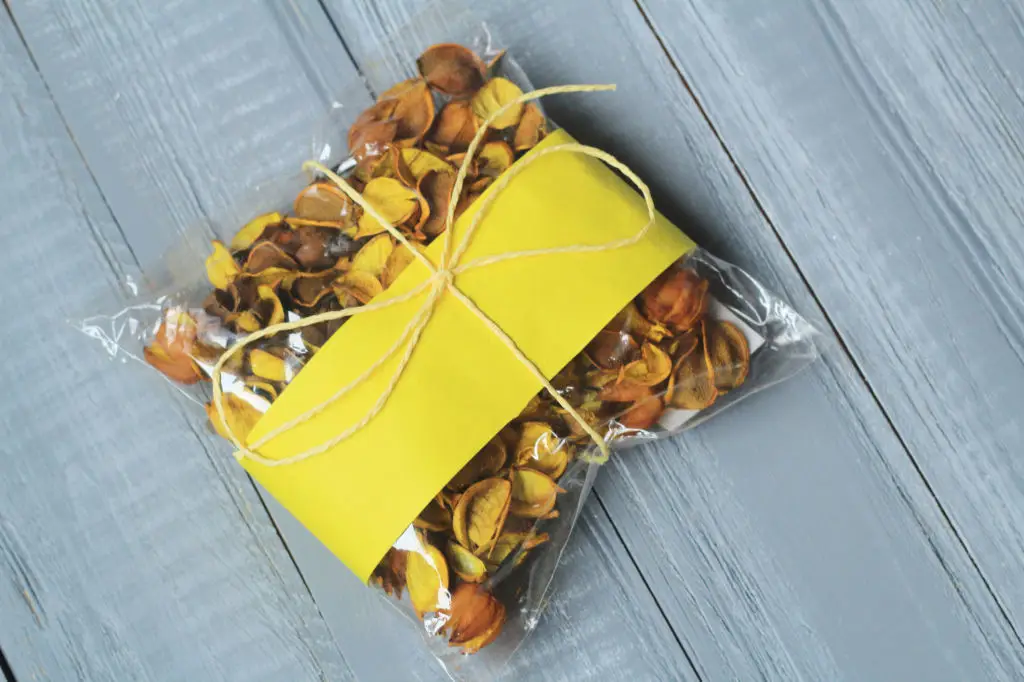
Embrace a time-honored method: fill a breathable fabric pouch (or even a loose tea bag) with a blend of dried citrus peels, whole cloves, a cinnamon stick, and your choice of herbs. Once filled, gently heat the satchet in the microwave for 10 seconds or leave it in direct sunlight before each use to revive its aroma. Place it in your cupholder, console, or tucked discreetly in a seat pocket for subtle scent diffusion. Potpourri is endlessly customizable—think dried rosemary for an herbal edge or extra orange peel for bright zing—but all ingredients should be fully dried to prevent mildew. Ingredients will release scent for about two weeks, and their sum cost rarely crosses the $5 mark, especially if you repurpose leftovers from the kitchen. Watch out for allergies: strong herbs and spices can provoke reactions, so check with frequent passengers. To avoid mess, make sure bags are securely tied and don’t leak, especially near electronics. Refresh or rotate satchets to keep your scent experience vibrant and prevent ingredient fatigue over time.
5. Baking Soda Scent Bombs
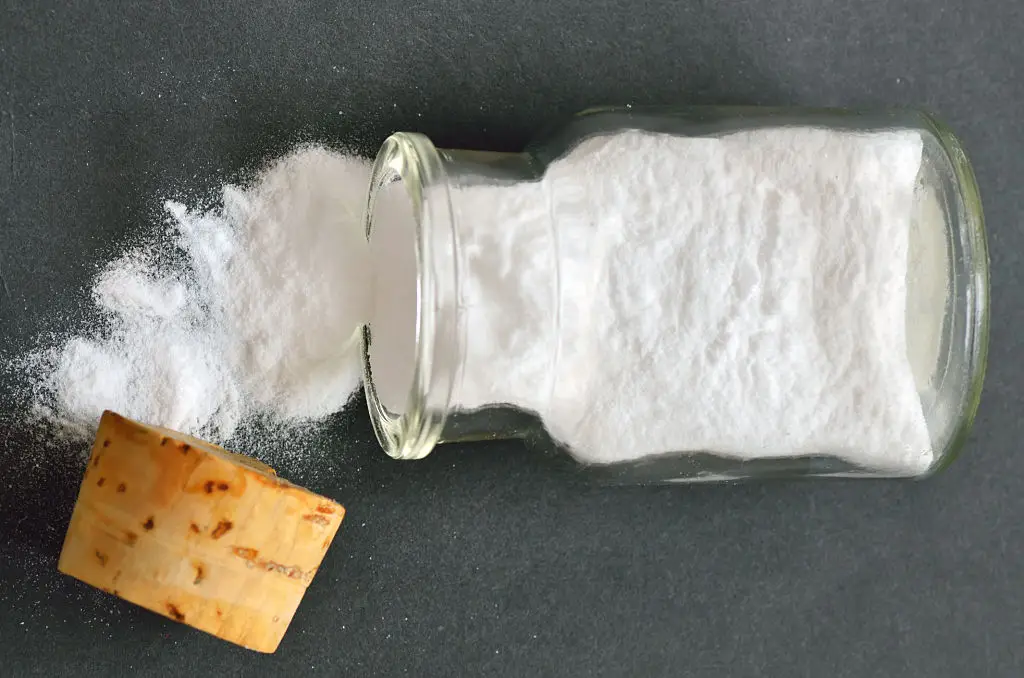
This method is part chemistry lesson and part DIY delight. Grab a small jar or sock, fill it with baking soda, and add 10–15 drops of your favorite essential oil blend. Poke holes in a lid or knot the end of the sock, then stash your “scent bomb” beneath a seat or near air returns. Unlike most fresheners that mask odors, baking soda actively neutralizes unwanted smells by absorbing airborne acids. The essential oils layer on a customizable fragrance—choose lemon for brightness or cedar for subtle woodiness—and the scent usually lingers for around a week before recharging. This is also a budget champion: baking soda is dirt cheap, and you’ll only need a small amount for each batch. For safety, keep DIY bombs away from electronics and vents to prevent loose powder escape. Overly energetic filling or accidentally spilled contents can be messy, but the payoff is worth it for those seeking a fresher cabin with minimal recurring costs.
6. Charcoal Odor Absorbers with Natural Scents
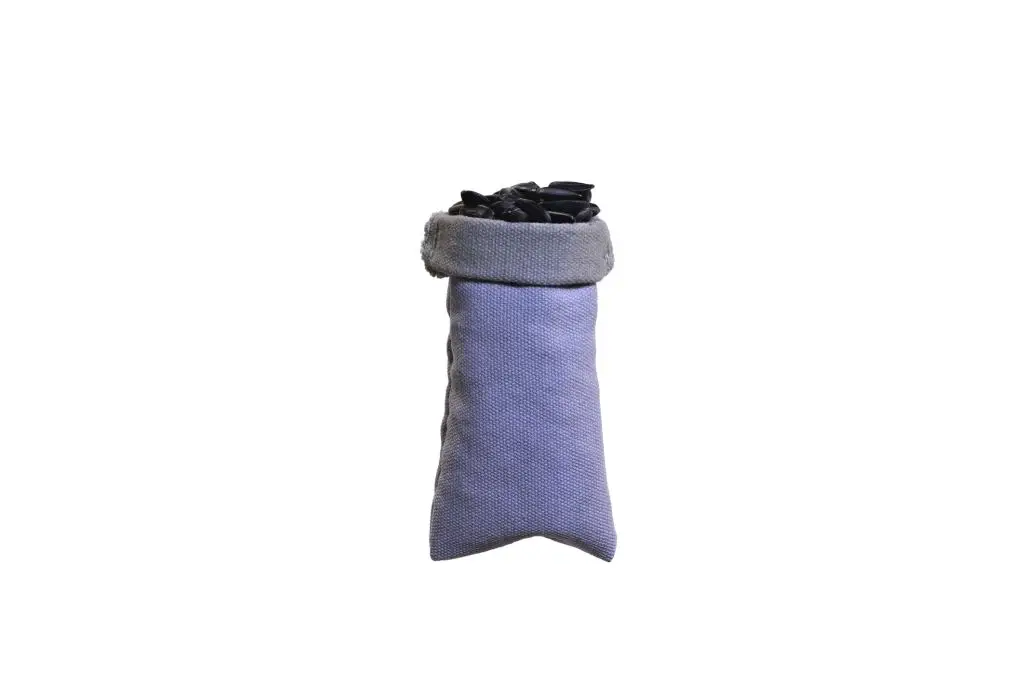
For a no-nonsense, long-lasting solution, look to activated charcoal—an industrial favorite now adapted for home and auto. Place a handful of charcoal briquettes (not the type with added lighter fluid) in a cloth bag, and tuck in a few dried lavender sprigs or a couple drops of natural essential oil for a gentle fragrance boost. Charcoal doesn’t just cover up odors—it adsorbs them at the molecular level, a little nod to the same chemistry used in air purifiers. This method is safe for most cars, as the bags are sealed and can be placed under seats or in trunks where they stay out of reach of pets and kids. To refresh, leave the bag in sunlight once a month to offload absorbed odors and trigger another round of absorption. While the up-front cost can be a bit higher if you buy specialty charcoal pouches, a batch often lasts for a full year, making this one of the longest-use, waste-minimizing approaches available.
Reclaim Your Cabin: The DIY Scent Revolution
DIY car scents aren’t simply about saving a few dollars—they’re an invitation to rethink what driving, comfort, and ownership can feel like. Engineering your own fragrance solutions means you get to customize every detail—not just the notes in the air, but the confidence that comes with knowing exactly what's inside. As the commercial market churns out ever-pricier gadgets with complex ingredients, these homemade alternatives bring it back to practical basics and a little bit of fun. Test different combinations, share results with friends, and always keep an eye on safety: proper ventilation, checking for allergic reactions, and following smart placement guidelines are key, just like tuning or maintaining any part of your vehicle. The next time you consider replacing a stale store-bought freshener, remember that you have six proven paths to a fresher, healthier, and distinctly personal driving experience waiting in your hands and home. That’s the real beauty of DIY car scents—they give drivers control, satisfaction, and a dash of automotive creativity every time the door closes and the engine hums.