
7 Preventative Fixes That Keep Your Older Vehicle (10+ Years) Out of the Shop
Owning an older vehicle, especially one that has surpassed the decade mark, can be both a sentimental and practical choice. However, as with any aging machinery, the risk of breakdowns and costly repairs increases with time. The secret to keeping your beloved car out of the shop lies in adopting a proactive approach to maintenance. By implementing a series of preventative fixes, you can extend the life of your vehicle, improve its reliability, and save money in the long run. This comprehensive guide delves into seven essential preventative measures that, when performed regularly, can significantly reduce the likelihood of unexpected mechanical failures and keep your vehicle running smoothly for years to come.
Regular Oil Changes and Fluid Checks
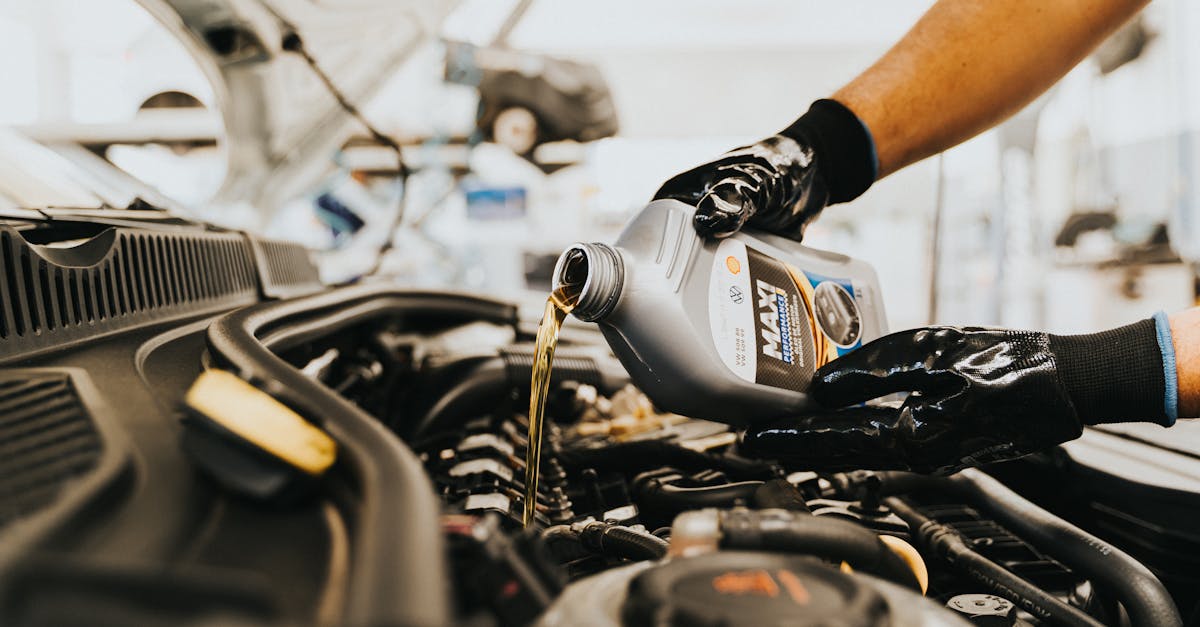
Oil is the lifeblood of your vehicle's engine, and ensuring it is clean and at the right level is crucial for maintaining engine health. For older vehicles, it is recommended to change the oil every 3,000 to 5,000 miles, depending on the type of oil used and driving conditions. Alongside oil changes, regularly checking and topping off other fluids such as coolant, transmission fluid, brake fluid, and power steering fluid can prevent overheating, improve performance, and avoid costly repairs. Fluid checks help identify leaks and other issues early on, allowing for timely interventions that can stave off more serious problems down the road.
Tire Maintenance and Alignment
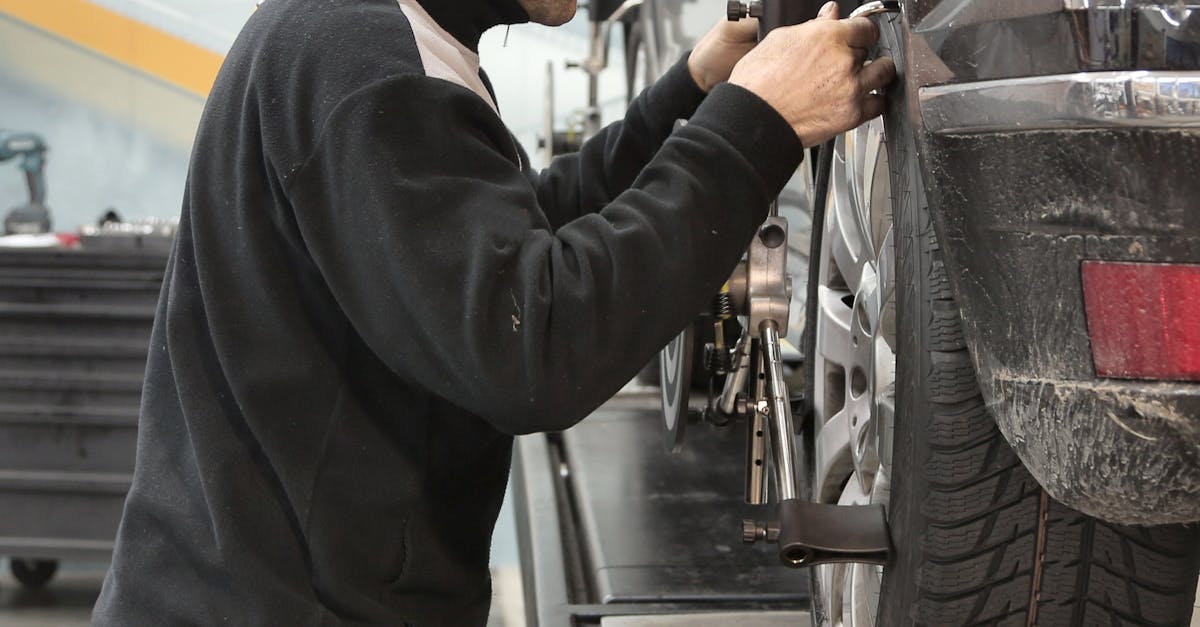
Tires are the only part of your vehicle that make contact with the road, and their condition directly affects safety and performance. For older vehicles, maintaining proper tire pressure, rotating tires every 6,000 to 8,000 miles, and ensuring proper wheel alignment can prevent uneven wear and extend tire life. Regular tire inspections can also help detect issues such as bulges, cracks, or embedded objects that might lead to blowouts or flat tires. Proper alignment ensures that your vehicle handles correctly, reducing strain on suspension components and improving fuel efficiency.
Brake System Inspection
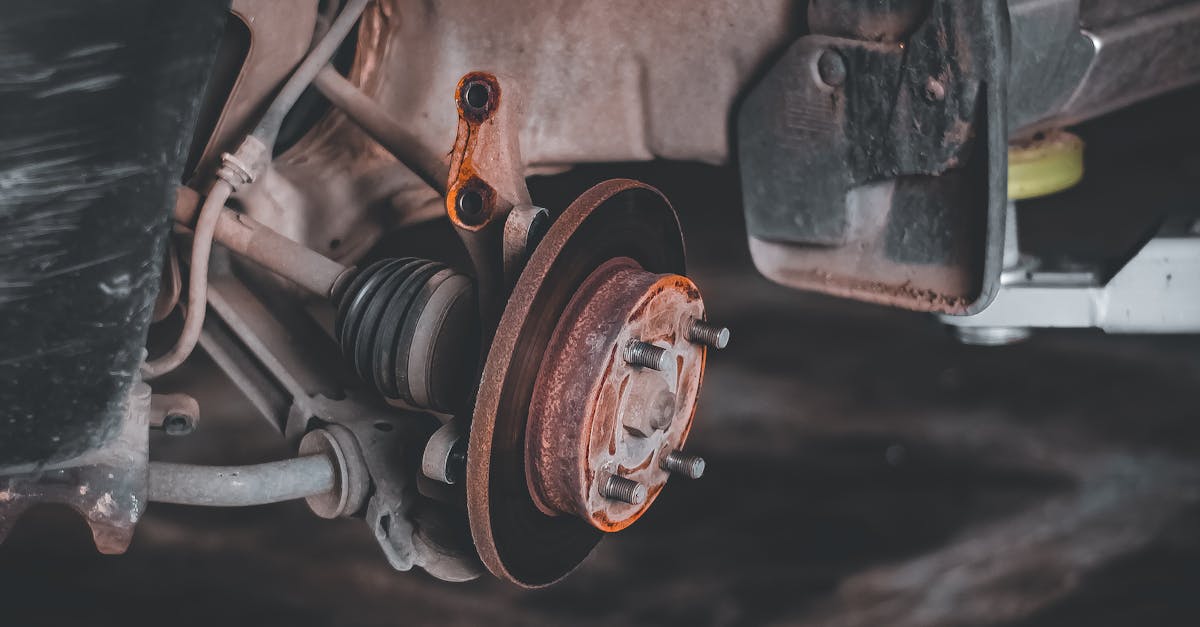
The brake system is one of the most critical safety components of any vehicle, and keeping it in top condition is essential for older cars. Regular inspections of brake pads, rotors, and brake lines can prevent failures that might lead to accidents. Brake pads should be replaced when they are worn down to about 3mm to 4mm thickness, and any signs of squeaking, grinding, or reduced braking efficiency should be addressed immediately. Additionally, flushing the brake fluid every two years can prevent moisture buildup, which can lead to corrosion and brake failure.
Battery and Electrical System Care
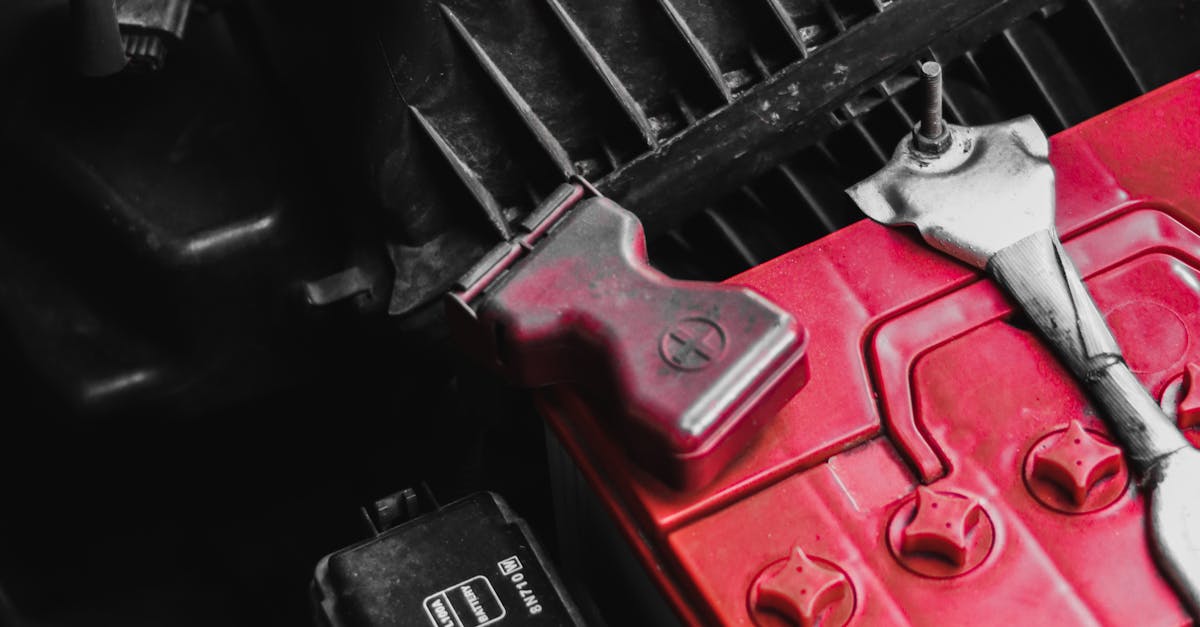
The battery and electrical system are vital for starting your vehicle and powering its electrical components. In older vehicles, battery terminals can corrode, and connections can become loose, leading to starting issues. Regularly cleaning the battery terminals and checking the battery’s charge can prevent unexpected breakdowns. Testing the alternator and starter motor can also ensure that the electrical system is functioning correctly. Replacing the battery every three to five years, or at the first sign of trouble, can prevent inconvenient and potentially dangerous situations.
Cooling System Maintenance
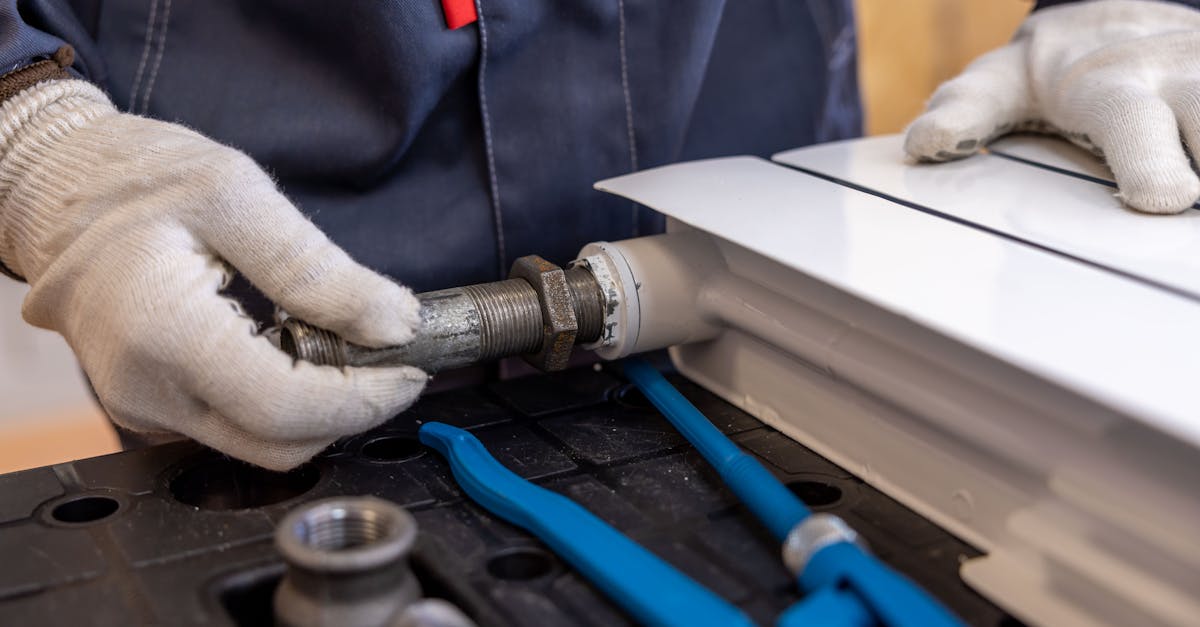
The cooling system prevents your engine from overheating, which can cause significant damage. Regularly checking the radiator, hoses, and water pump for leaks or wear can help maintain the system's efficiency. Flushing the coolant every two years and ensuring the coolant mixture is correct can prevent corrosion and buildup within the system. Additionally, replacing the thermostat and radiator cap as needed can ensure the cooling system operates at optimal pressure and temperature, reducing the risk of overheating and engine damage.
Suspension and Steering System Checks
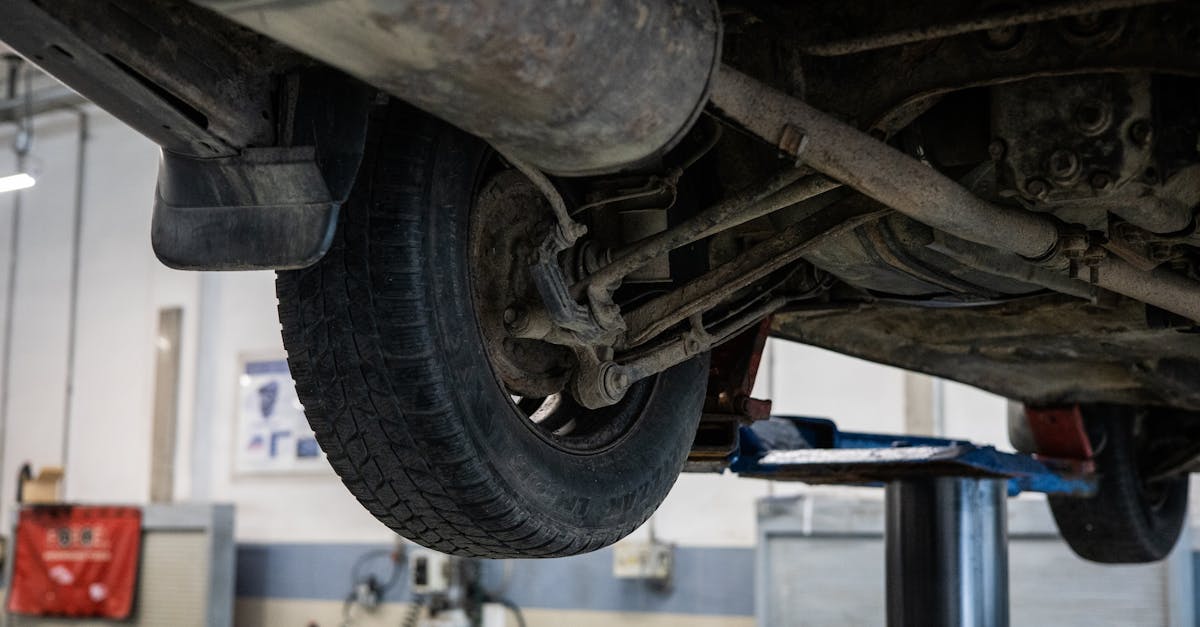
The suspension and steering systems are crucial for vehicle stability and comfort. For older vehicles, regular inspections of shocks, struts, and steering components can prevent issues such as poor handling, excessive tire wear, and uncomfortable rides. Checking for leaks in the power steering system and ensuring the steering fluid is at the correct level can prevent steering difficulties. Replacing worn-out suspension components can improve ride quality and safety, reducing the likelihood of accidents caused by poor vehicle control.
Exhaust System and Emissions
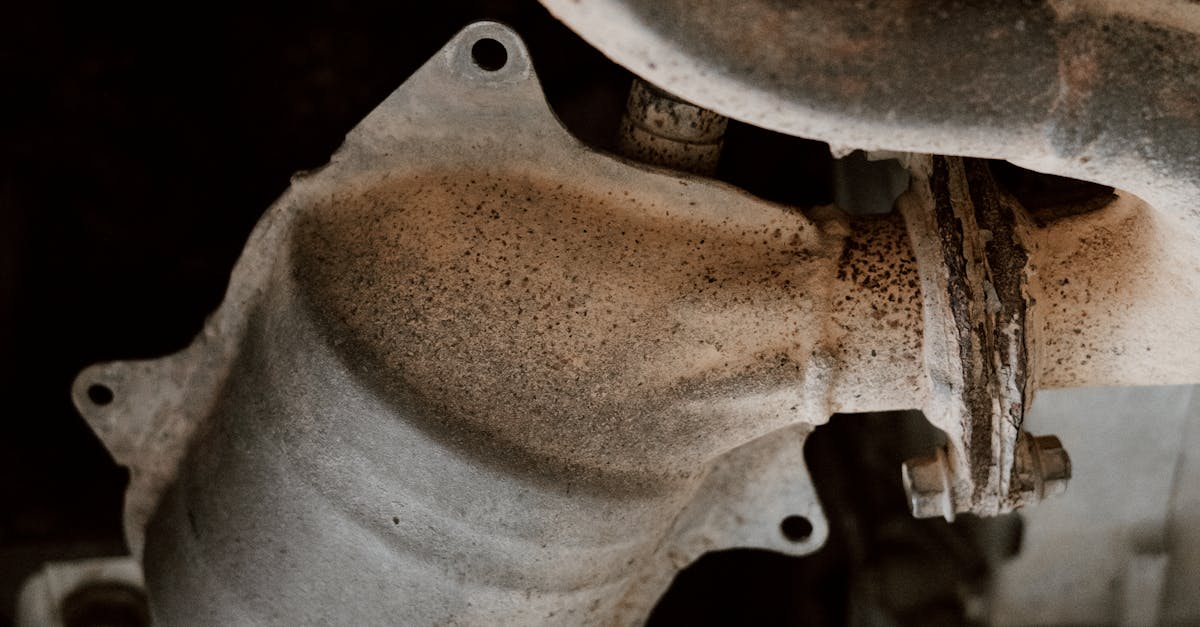
The exhaust system is responsible for directing harmful gases away from the engine and reducing emissions. In older vehicles, exhaust system components such as the catalytic converter, muffler, and exhaust pipes can corrode or become damaged, leading to increased emissions and noise. Regular inspections can detect leaks or blockages that might affect engine performance and increase pollution. Addressing exhaust issues promptly not only helps the environment but also ensures your vehicle passes emissions tests, which are mandatory in many regions.
A Proactive Approach to Vehicle Longevity
By incorporating these seven preventative fixes into your regular vehicle maintenance routine, you can significantly reduce the risk of breakdowns and extend the life of your older vehicle. Each of these measures addresses a critical component of your car, ensuring it operates efficiently and safely. Proactive maintenance not only saves money by avoiding costly repairs but also provides peace of mind, knowing your vehicle is in good working order. By investing time and effort into caring for your vehicle, you can enjoy the benefits of reliable transportation for many more years, keeping your cherished car out of the shop and on the road where it belongs.