
5 DIY Mistakes That Guarantee a $5,000 Engine Warranty Nightmare
In the ever-growing world of do-it-yourself (DIY) projects, car enthusiasts often find themselves drawn to the allure of hands-on engine maintenance and repairs. While the prospect of saving money and gaining a deeper understanding of one's vehicle is tempting, the risks associated with improper DIY practices can lead to costly consequences. An engine warranty nightmare, potentially costing more than $5,000, is a reality for many who underestimate the complexities of modern automotive engineering. This article delves into five common DIY mistakes that can void warranties and lead to disastrous financial outcomes, offering insights into how to avoid these pitfalls and protect your investment.
Misinterpreting Engine Codes
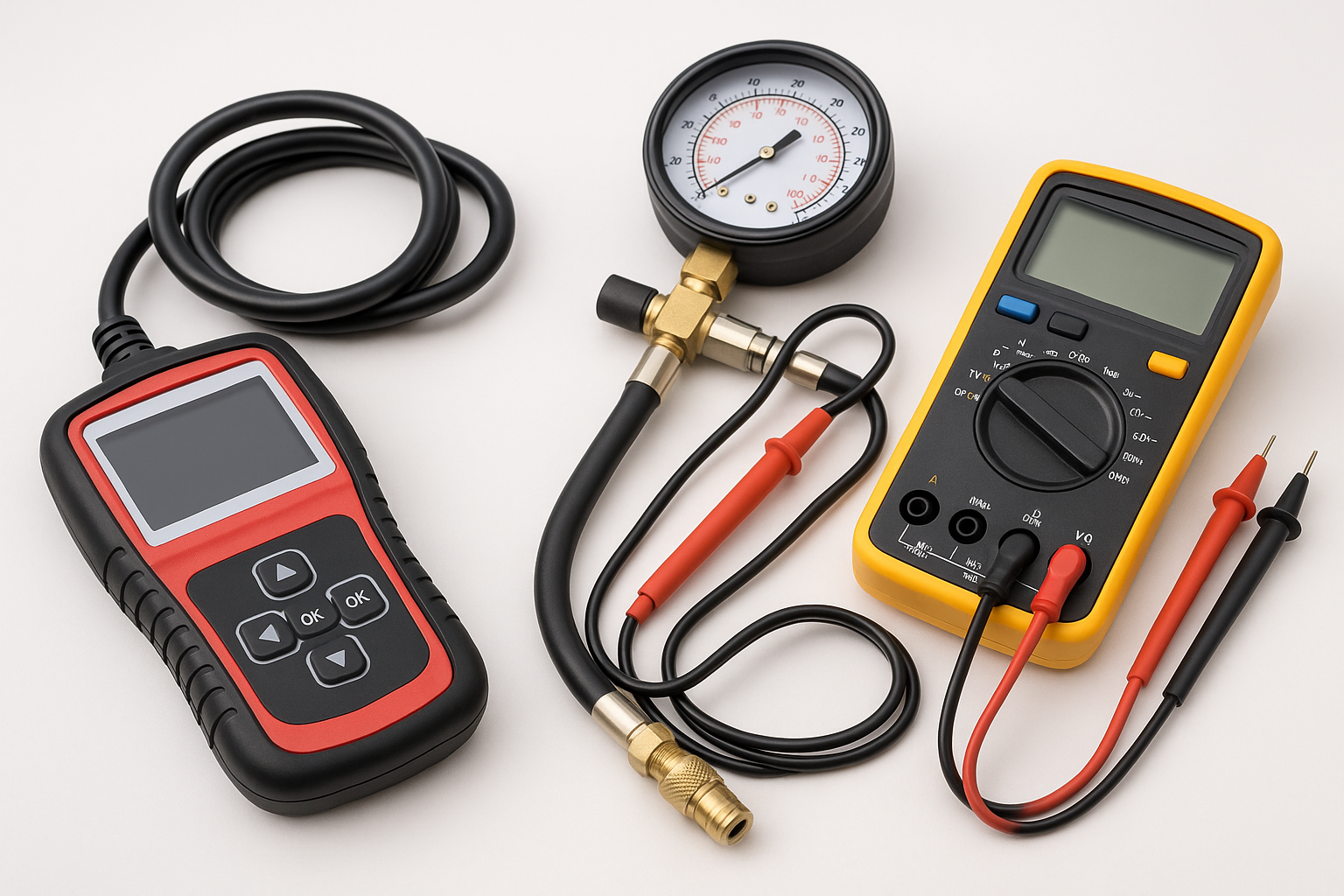
One of the most frequent mistakes DIYers make is misinterpreting engine diagnostic codes. Modern vehicles are equipped with sophisticated onboard diagnostics (OBD) systems that provide error codes when issues arise. However, these codes are often vague and require interpretation through specialized software or a professional mechanic's expertise. Misreading or ignoring these codes can lead to incorrect repairs, exacerbating the problem and voiding the warranty. For instance, a code indicating a minor sensor issue might be misdiagnosed as a more significant engine malfunction, leading to unnecessary and costly repairs. Properly understanding and addressing these codes is crucial to maintaining your warranty and avoiding out-of-pocket expenses.
Using Non-OEM Parts
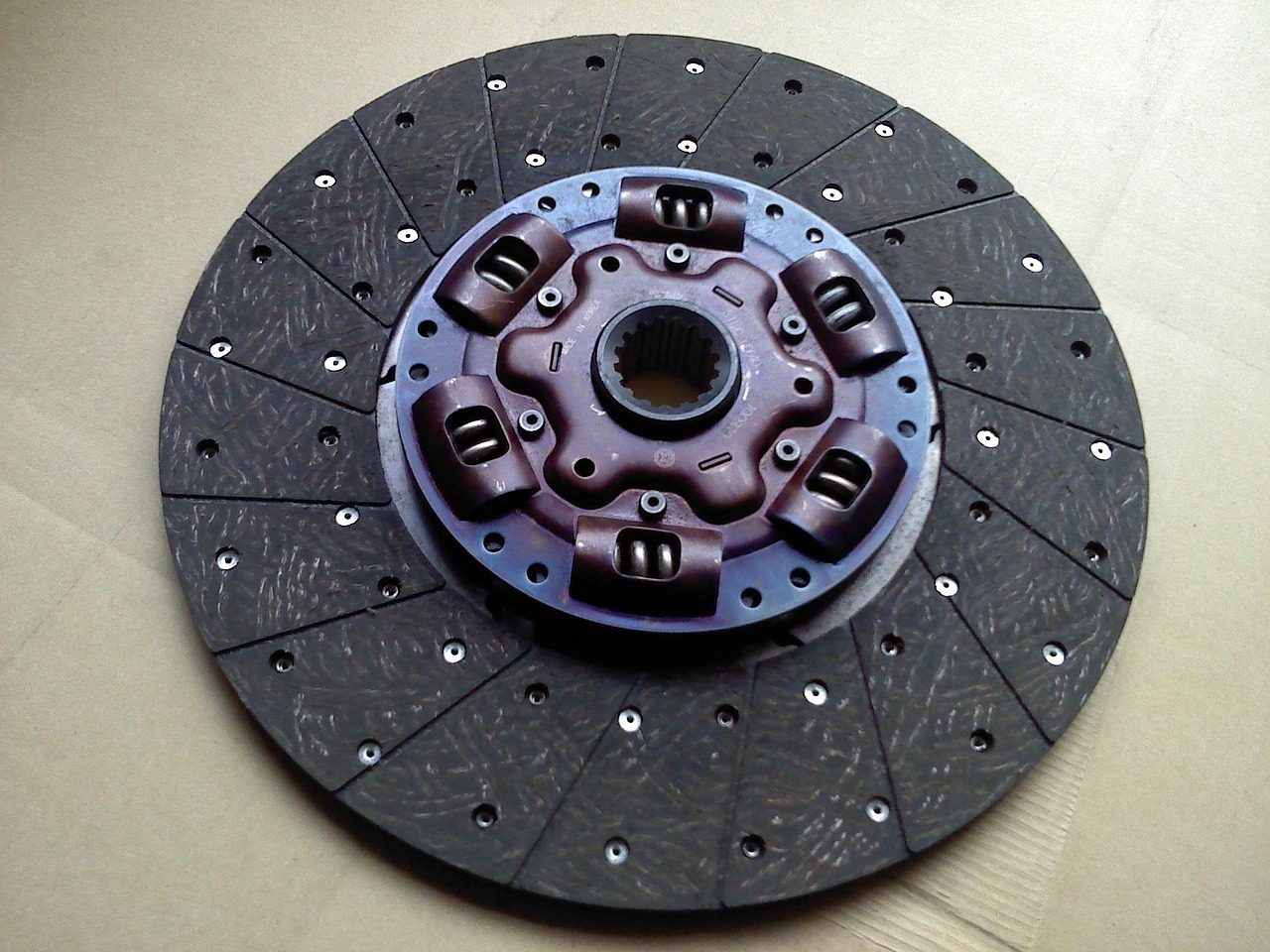
Another critical error is the use of non-original equipment manufacturer (OEM) parts. While aftermarket parts can be cheaper, they often do not meet the same quality and compatibility standards as OEM parts. Many warranties explicitly state that using non-OEM parts can void coverage, as these parts may not perform to the specifications required by the manufacturer. For example, using a non-OEM oil filter that fails to properly filter engine oil can lead to significant engine damage. This not only voids the warranty but also results in expensive repairs that could have been avoided by adhering to OEM recommendations.
Skipping Scheduled Maintenance

Neglecting scheduled maintenance is a surefire way to encounter warranty issues. Car manufacturers provide detailed maintenance schedules that outline necessary services at specific intervals. Skipping these services, such as oil changes or timing belt replacements, can lead to premature engine wear or catastrophic failure. Warranty agreements often stipulate that maintenance records must be kept to validate claims. Without proof of regular maintenance, any engine failure could be deemed the result of neglect, leaving the owner responsible for costly repairs. Adhering to the recommended schedule not only ensures optimal vehicle performance but also upholds warranty protection.
Improper Fluid Handling
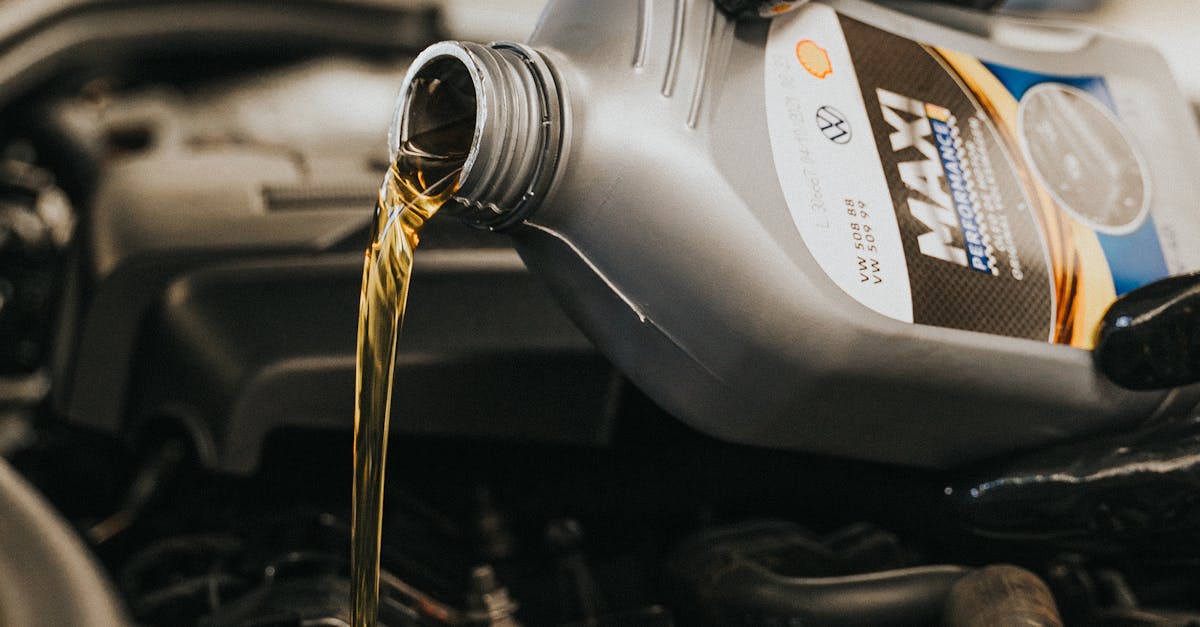
Fluid handling is a critical aspect of engine maintenance that is often mishandled by DIYers. Using the wrong type of oil, coolant, or transmission fluid can have detrimental effects on engine performance and longevity. Each vehicle has specific fluid requirements that must be met to maintain warranty coverage. For instance, using a lower-grade oil than specified can lead to inadequate lubrication, increased friction, and eventual engine failure. Furthermore, improper disposal or spillage of fluids can cause environmental harm and potential legal issues. Ensuring the correct fluids are used and handled properly is essential for both engine health and warranty compliance.
Ignoring Torque Specifications

DIY enthusiasts often overlook the importance of adhering to torque specifications when assembling engine components. Each bolt and nut in an engine has a specific torque requirement to ensure proper sealing and alignment. Over-tightening can lead to stripped threads or cracked components, while under-tightening can result in leaks and mechanical failures. Ignoring these specifications can cause significant engine damage, voiding the warranty and leading to costly repairs. Utilizing a torque wrench and following the manufacturer's specifications are crucial steps in any DIY repair to ensure the engine remains in optimal condition and under warranty protection.
Failing to Document Repairs

Documentation is a vital aspect of maintaining a warranty, yet it is often neglected by DIYers. Keeping detailed records of all repairs, modifications, and maintenance is necessary to validate warranty claims. This includes receipts for parts, detailed descriptions of work performed, and any diagnostic reports. In the absence of proper documentation, manufacturers may deny warranty claims, attributing engine failures to unverified modifications or repairs. Creating a comprehensive maintenance log not only helps in tracking vehicle history but also serves as essential evidence in support of warranty claims, safeguarding against unnecessary financial burdens.
Navigating the DIY Landscape with Caution
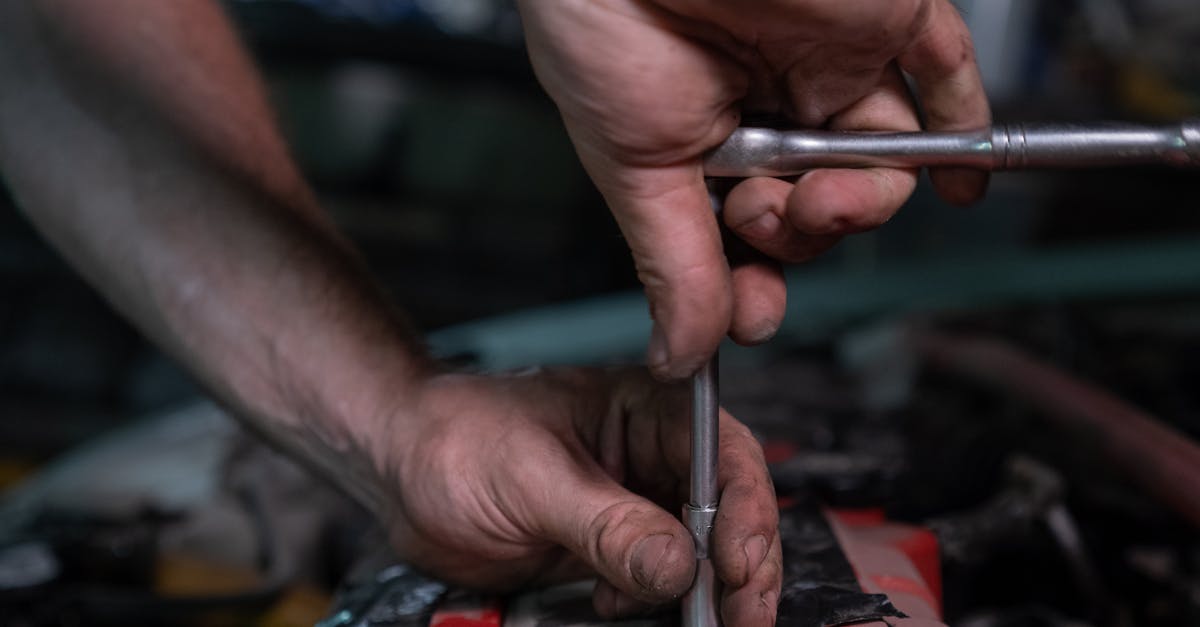
The thrill of DIY engine work offers a unique blend of satisfaction and cost-saving potential, but it is not without its challenges. Understanding and avoiding common mistakes can mean the difference between a successful project and a costly warranty nightmare. By paying close attention to diagnostic codes, using OEM parts, adhering to maintenance schedules, handling fluids correctly, respecting torque specifications, and maintaining thorough documentation, DIY enthusiasts can protect their investment and enjoy the rewards of their labor without the fear of financial repercussions. Navigating the DIY landscape with caution and knowledge is key to ensuring both the longevity of your vehicle and the validity of its warranty.