
Trade-In Traps: 7 Dealer Secrets That Instantly Cut Your Car's Value by $5,000
In the intricate world of car sales, trade-ins are often seen as a convenient way to offset the cost of a new vehicle. However, beneath the surface lies a complex web of dealer strategies designed to maximize profit — often at the expense of the unsuspecting car owner. The allure of a quick and seemingly fair trade-in can mask the reality of significant value loss. This article delves into the hidden tactics used by dealers to diminish your car’s trade-in value by up to $5,000. By uncovering these secrets, you can navigate the trade-in process with greater awareness and potentially save thousands.
The Cosmetic Illusion: Why Appearance Matters More Than You Think
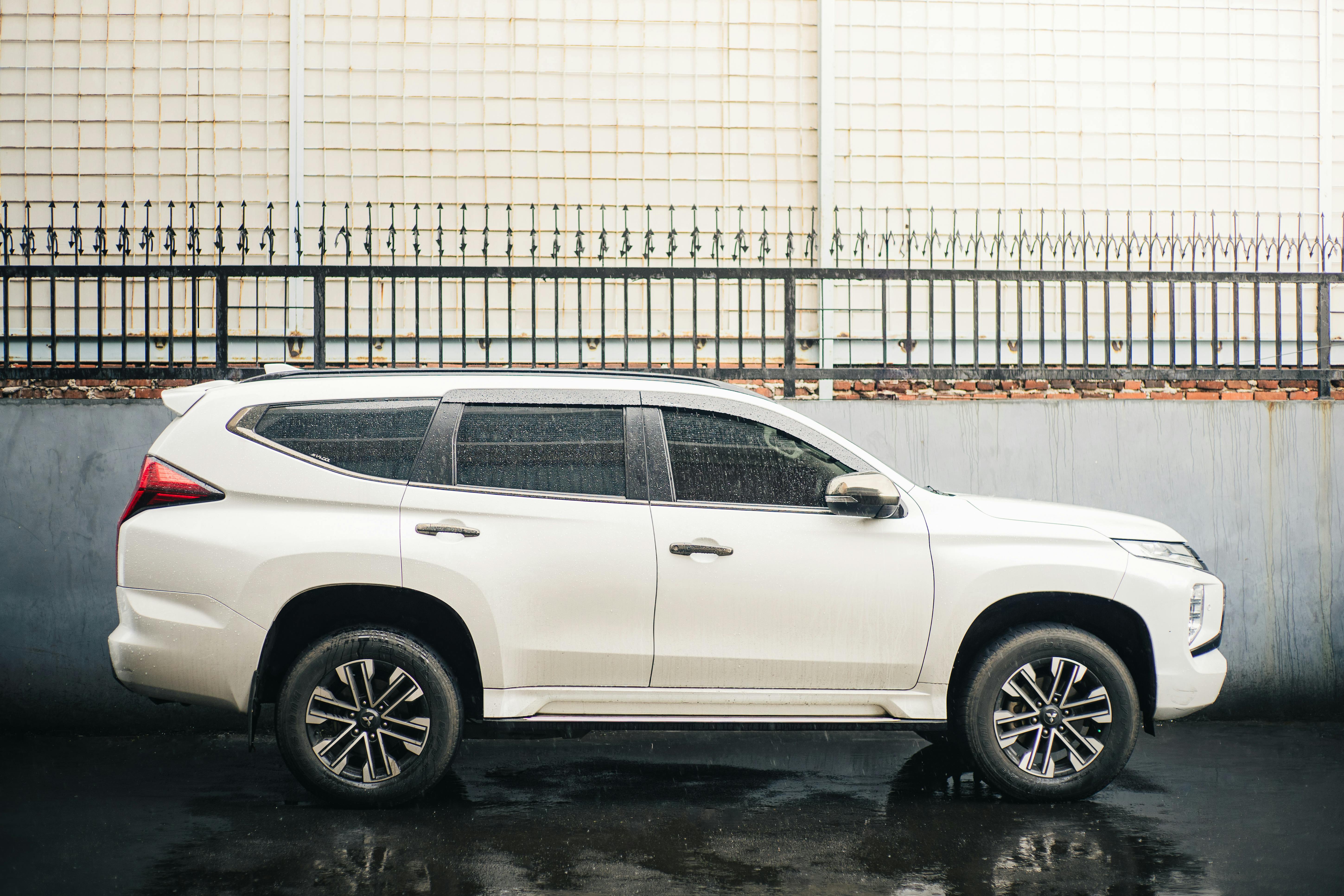
Dealers know that first impressions are everything. They often exploit minor cosmetic imperfections to justify a lower trade-in offer. Scratches, dents, and faded paint can be exaggerated in their impact on the car’s value. While these issues might seem minor to you, dealers will often inflate the cost of repair to negotiate a lower price. In reality, many cosmetic repairs are inexpensive, yet the perceived cost can significantly diminish your trade-in value. Understanding the true cost of cosmetic fixes and addressing them before visiting the dealer can prevent this common trap.
The Mileage Manipulation: How Miles Can Cost You

Mileage is a critical factor in determining a car’s value, and dealers are adept at using it to their advantage. Even a slight increase in mileage can be leveraged as a reason to reduce the trade-in offer. Dealers often emphasize the depreciation associated with higher mileage, sometimes overstating its impact. While it’s true that mileage affects wear and tear, the reduction in value is not always proportional to what dealers claim. Being aware of how your car’s mileage compares to the average for its age can help you counteract this tactic.
The Timing Trick: Seasonal and Market Fluctuations

Timing is everything in the car trade-in game. Dealers are well-versed in market trends and seasonal fluctuations that can affect car values. For instance, trading in a convertible in winter or an SUV in summer can lead to lower offers due to decreased demand. Additionally, economic conditions and fuel prices can impact the desirability of certain vehicle types. Dealers use these factors to pressure you into accepting a lower trade-in value. By researching market conditions and choosing the right time to trade in your vehicle, you can avoid falling into this trap.
The Lowball Offer: Anchoring and Negotiation Tactics

One of the most common strategies dealers use is the lowball offer. By starting with a significantly lower offer than your car’s actual value, dealers set a psychological anchor. This makes any subsequent offers seem more reasonable, even if they are still below market value. This tactic can catch many off-guard, leading them to accept less than their car is worth. To counter this, it’s crucial to know your car’s market value beforehand and be prepared to negotiate confidently. Understanding the psychology behind anchoring can empower you to resist this common dealer strategy.
The Hidden Fee Gambit: Fees That Diminish Your Trade-In Value
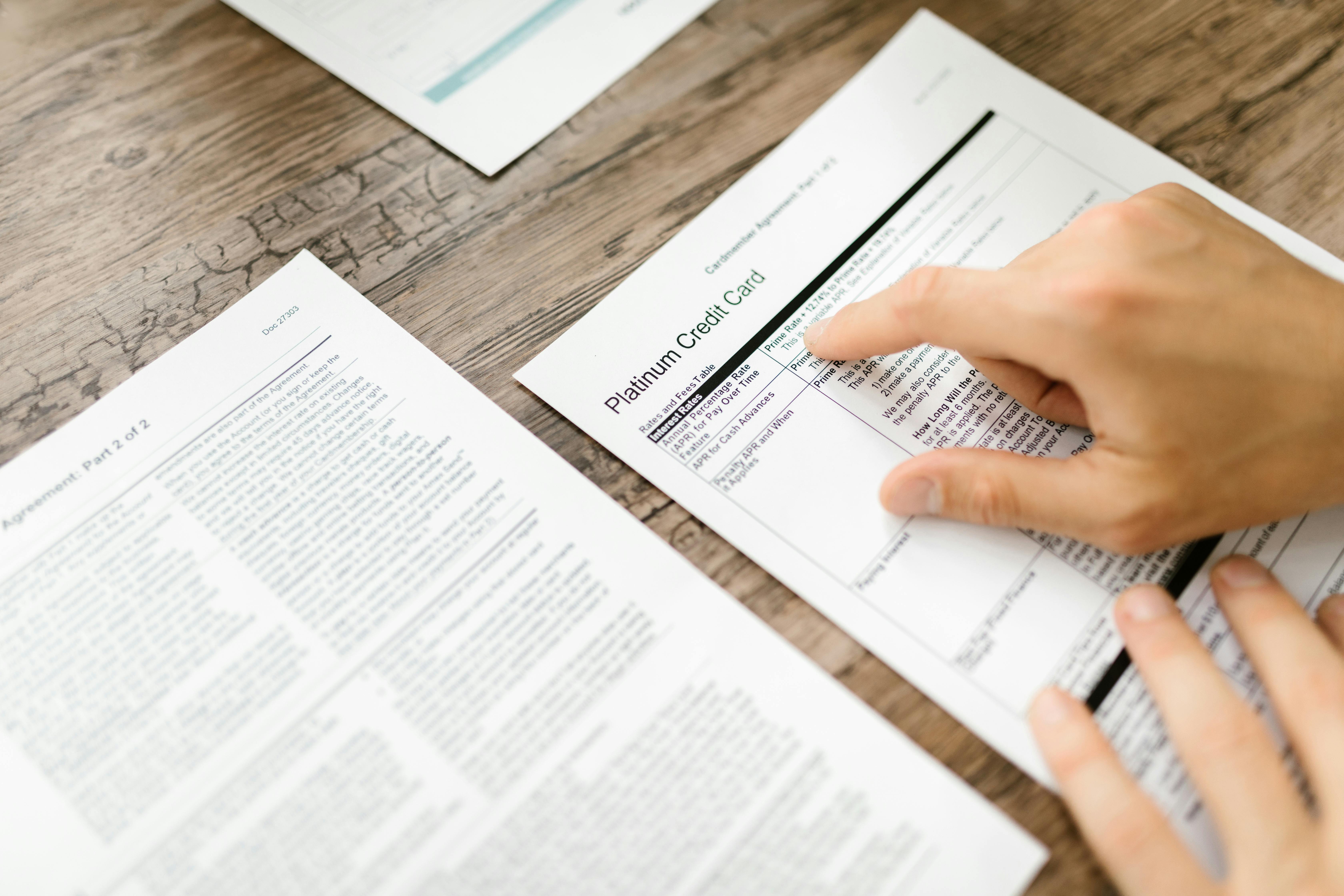
Dealers often introduce various fees during the trade-in process that can significantly reduce your car’s value. These can include reconditioning fees, documentation fees, and administrative costs. While some fees are legitimate, others are inflated or unnecessary, serving as a way to decrease the trade-in offer. By scrutinizing these fees and questioning their validity, you can protect yourself from this tactic. It’s essential to read all documentation carefully and ask for a breakdown of any charges that seem excessive or unwarranted.
The Depreciation Deception: Misleading Depreciation Rates

Depreciation is an unavoidable aspect of car ownership, but dealers often use it to their advantage by overstating its effect. They may present misleading depreciation rates to justify a lower trade-in offer, suggesting your car has lost more value than it realistically has. Understanding the standard depreciation rates for your vehicle’s make and model can help you challenge these claims. Additionally, factors like well-maintained service records and low mileage can mitigate depreciation, providing leverage during negotiations.
The Emotional Pressure: Creating a Sense of Urgency

Dealers are skilled at creating a sense of urgency to pressure you into making quick decisions. They might suggest that the trade-in offer is only valid for a limited time or that market conditions are about to change unfavorably. This psychological pressure can lead to hasty decisions, resulting in accepting a lower offer. To counter this, it’s important to remain calm and take your time during the trade-in process. Remember that you have the power to walk away and explore other options if the deal doesn’t meet your expectations.
Empowering Your Trade-In Experience

Understanding these dealer secrets is crucial for anyone considering a trade-in. By recognizing and countering these tactics, you can protect your car’s value and ensure a fair transaction. Knowledge is your most powerful tool in this process, enabling you to approach trade-ins with confidence and clarity. Whether it’s addressing cosmetic issues, understanding market timing, or negotiating assertively, each step you take can help preserve your car’s value. Armed with this information, you can navigate the trade-in landscape with greater assurance and make decisions that align with your financial interests.