
The Turbo Trap: 7 Modern Engines Designed to Fail Right After the Warranty Expires
In the realm of modern automotive engineering, the allure of turbocharged engines has captivated car enthusiasts and everyday drivers alike. Promising a blend of power and efficiency, these high-performance engines have become a staple in many vehicles. However, beneath their polished exterior lies a disconcerting reality: many of these engines are meticulously designed to fail shortly after the warranty expires. This phenomenon, often referred to as "planned obsolescence," raises significant concerns about consumer rights, environmental impact, and the ethics of modern manufacturing. This article delves into seven notorious examples of turbocharged engines that embody this troubling trend, exploring the engineering choices and market strategies that contribute to their premature demise.
The Economics of Planned Obsolescence

Planned obsolescence is a strategy where products are designed with a limited lifespan, prompting consumers to replace them sooner than necessary. In the automotive industry, this concept has been subtly integrated into engine design, particularly with turbocharged models. Manufacturers often prioritize short-term performance enhancements over long-term durability, banking on the idea that consumers will upgrade to newer models once their current vehicles face costly repairs. This approach not only boosts sales but also ensures a steady demand for replacement parts and services. However, it raises ethical questions about consumer exploitation and the environmental consequences of increased waste and resource consumption.
The Complexity of Turbocharged Engines

Turbocharged engines are inherently more complex than their naturally aspirated counterparts. They involve a turbocharger, which uses exhaust gases to increase engine power and efficiency. This complexity, while offering significant performance benefits, also introduces a myriad of potential failure points. Components such as the turbocharger itself, intercoolers, and additional piping are subject to high temperatures and pressures, which can accelerate wear and tear. Manufacturers often cut corners on materials and workmanship to keep costs down, further exacerbating the risk of premature failure. As a result, once the warranty period ends, owners may find themselves facing expensive repairs or replacements.
Case Study: The Ford EcoBoost Engine

The Ford EcoBoost engine is a prime example of a turbocharged engine that has faced criticism for post-warranty failures. Lauded for its fuel efficiency and power, the EcoBoost has been plagued by issues such as coolant leaks and turbocharger failures. Critics argue that the engine's design prioritizes short-term performance gains over long-term reliability. Many owners have reported experiencing significant engine problems shortly after their warranties expired, leading to costly repairs. This case highlights the broader issue of manufacturers prioritizing profit margins over customer satisfaction and product longevity, leaving consumers to bear the brunt of the financial burden.
The Role of Software in Engine Longevity

Modern engines are increasingly reliant on complex software systems to manage performance and efficiency. While these systems can optimize engine operation, they also introduce new vulnerabilities. Software updates, often released to address performance issues or improve emissions, can inadvertently shorten an engine's lifespan. In some cases, these updates are designed to push the engine to its limits, accelerating wear and tear. Manufacturers may use software as a tool to ensure engines perform optimally during the warranty period but degrade shortly thereafter. This strategy not only frustrates consumers but also complicates repair processes, as proprietary software often requires specialized diagnostics.
Environmental Impact of Engine Failures
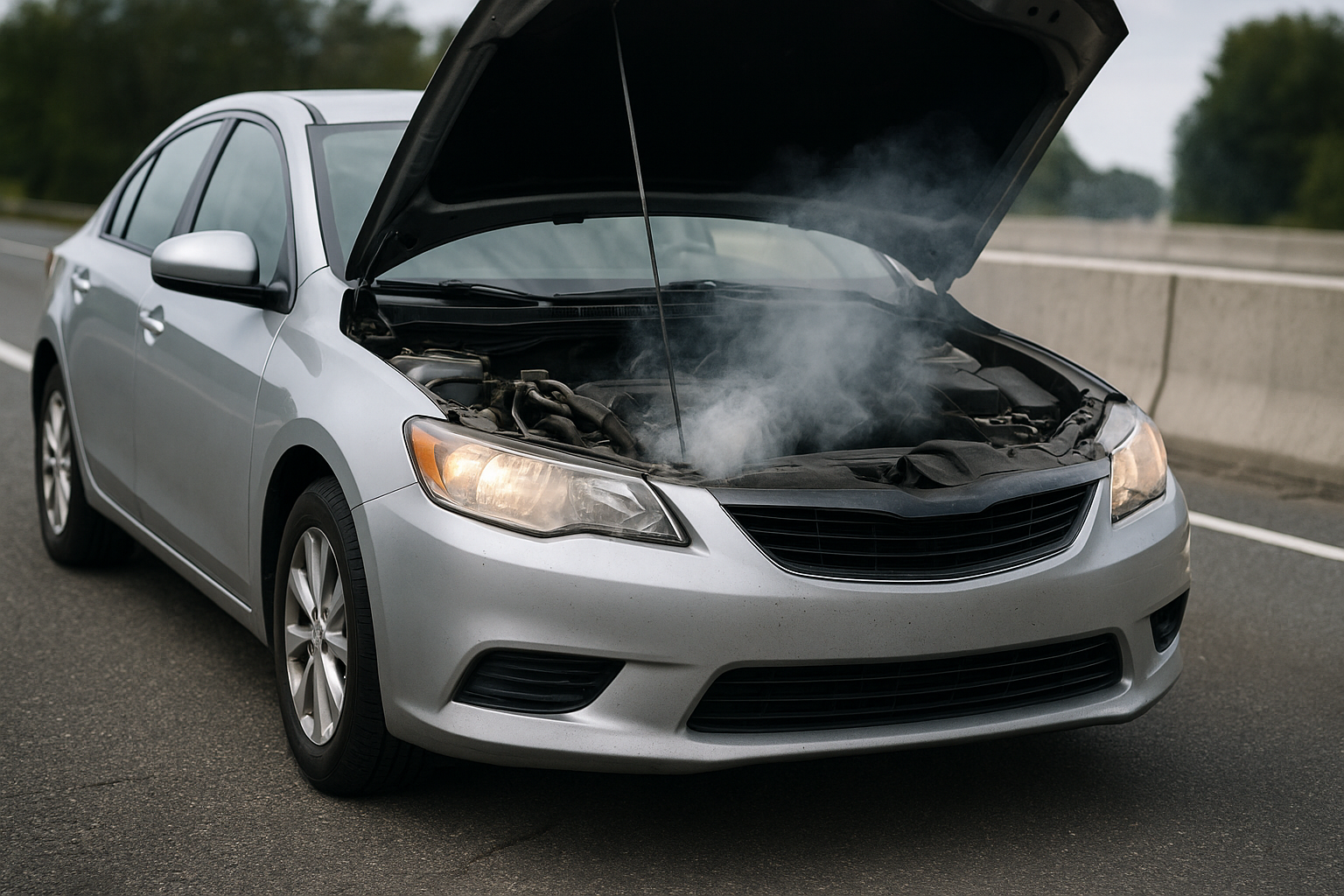
The environmental impact of engines designed to fail post-warranty is significant. Frequent engine replacements contribute to increased waste and resource consumption, as manufacturing new engines requires raw materials and energy. Additionally, the disposal of old engines poses environmental challenges, as they contain hazardous materials that must be carefully managed. The trend towards planned obsolescence in turbocharged engines exacerbates these issues, as consumers are forced to replace engines more frequently. This cycle of consumption and waste runs counter to global efforts to promote sustainability and reduce the automotive industry's carbon footprint, highlighting the need for more durable and eco-friendly engineering solutions.
Consumer Rights and Legal Challenges

As awareness of planned obsolescence grows, consumers are increasingly questioning the ethics of such practices. Legal challenges have emerged, with some arguing that manufacturers should be held accountable for designing products with intentionally limited lifespans. In certain jurisdictions, consumer protection laws are being strengthened to address these concerns, requiring manufacturers to provide longer warranties or ensure the availability of affordable repairs. However, enforcing these regulations remains a challenge, as proving intentional obsolescence can be difficult. The ongoing debate underscores the need for greater transparency in the automotive industry and the importance of empowering consumers to make informed purchasing decisions.
The Future of Engine Design

The future of engine design may hinge on the balance between performance, durability, and sustainability. As consumers become more aware of the pitfalls of planned obsolescence, demand for engines that offer long-term reliability and environmental responsibility is likely to grow. Manufacturers may need to rethink their design philosophies, prioritizing quality and longevity over short-term sales boosts. Innovations in materials science and engineering could lead to more resilient components, while advances in hybrid and electric technologies may offer alternatives to traditional turbocharged engines. Ultimately, the shift towards more sustainable practices could redefine the automotive landscape, benefiting both consumers and the planet.
Navigating the Turbo Trap

The turbo trap is a stark reminder of the complexities and ethical dilemmas inherent in modern automotive design. While turbocharged engines offer undeniable performance benefits, their propensity for post-warranty failures poses significant challenges for consumers and the environment alike. By understanding the factors that contribute to this trend, consumers can make more informed decisions and advocate for greater accountability within the industry. As the push for sustainability and transparency gains momentum, the hope is that manufacturers will embrace more responsible engineering practices, paving the way for a future where performance and durability go hand in hand.