
The $10 Swap: Why You Should Never Pay More Than $10 to Fix a Check Engine Light
The check engine light is a notorious source of anxiety for many drivers, often perceived as a harbinger of costly repairs. However, the reality is that many of these issues can be resolved with minimal expense. This article delves into the concept of the "$10 Swap," a philosophy that suggests never spending more than $10 to fix a check engine light. By understanding the underlying causes of this common automotive alert and exploring cost-effective solutions, we aim to demystify the process and empower car owners to address these issues without breaking the bank. This exploration will reveal how a little knowledge and resourcefulness can save you significant amounts of money.
Understanding the Check Engine Light
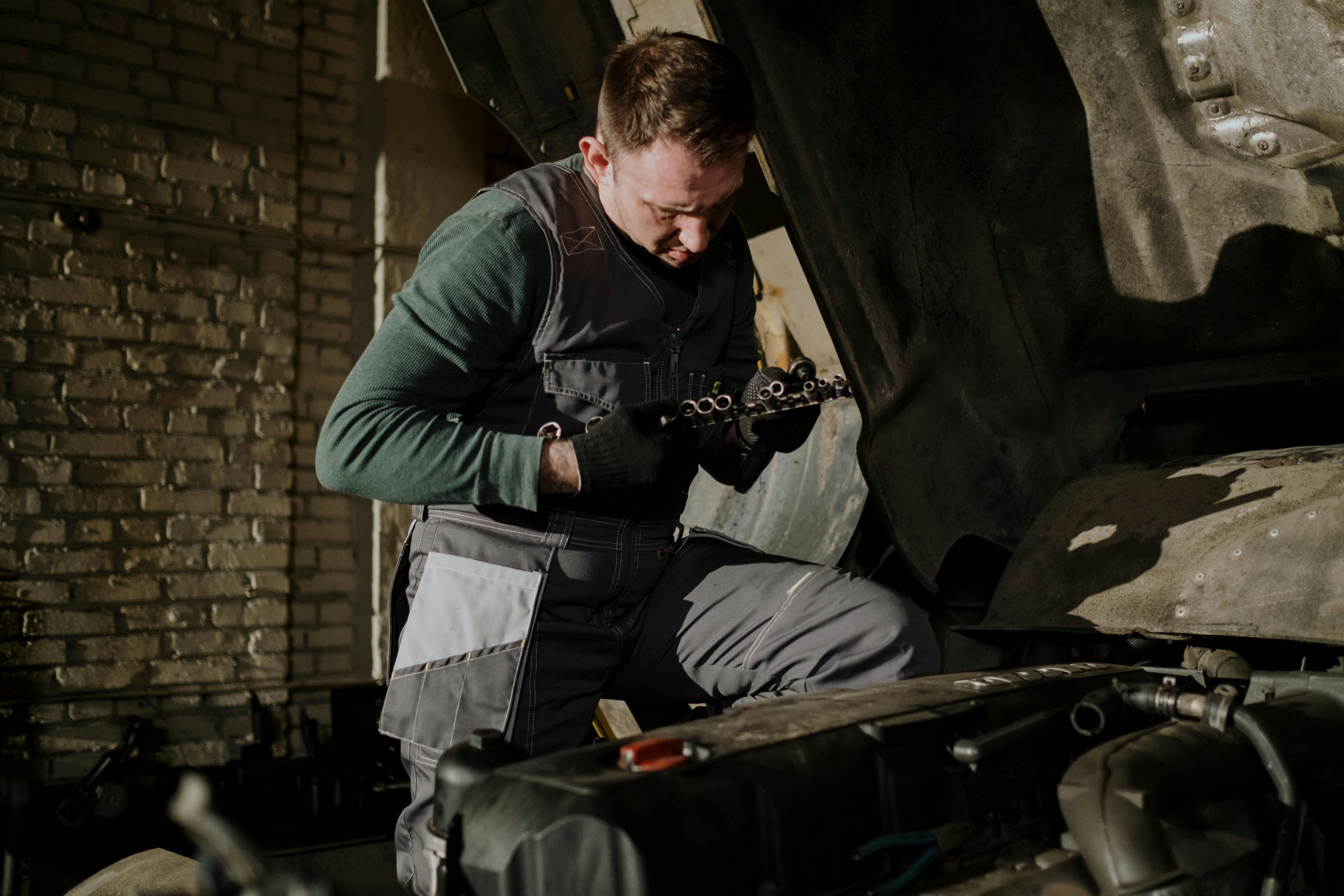
The check engine light is part of your vehicle's onboard diagnostics system and can be triggered by a wide range of issues, from a loose gas cap to a failing catalytic converter. While the light indicates that something is amiss, it doesn’t specify the exact problem. This ambiguity often leads to unnecessary panic and costly visits to the mechanic. Understanding the potential causes of a check engine light can help you determine whether the issue is something you can address yourself. Many common triggers are minor and can be resolved with a simple and inexpensive fix, often costing less than $10.
The Role of OBD-II Scanners
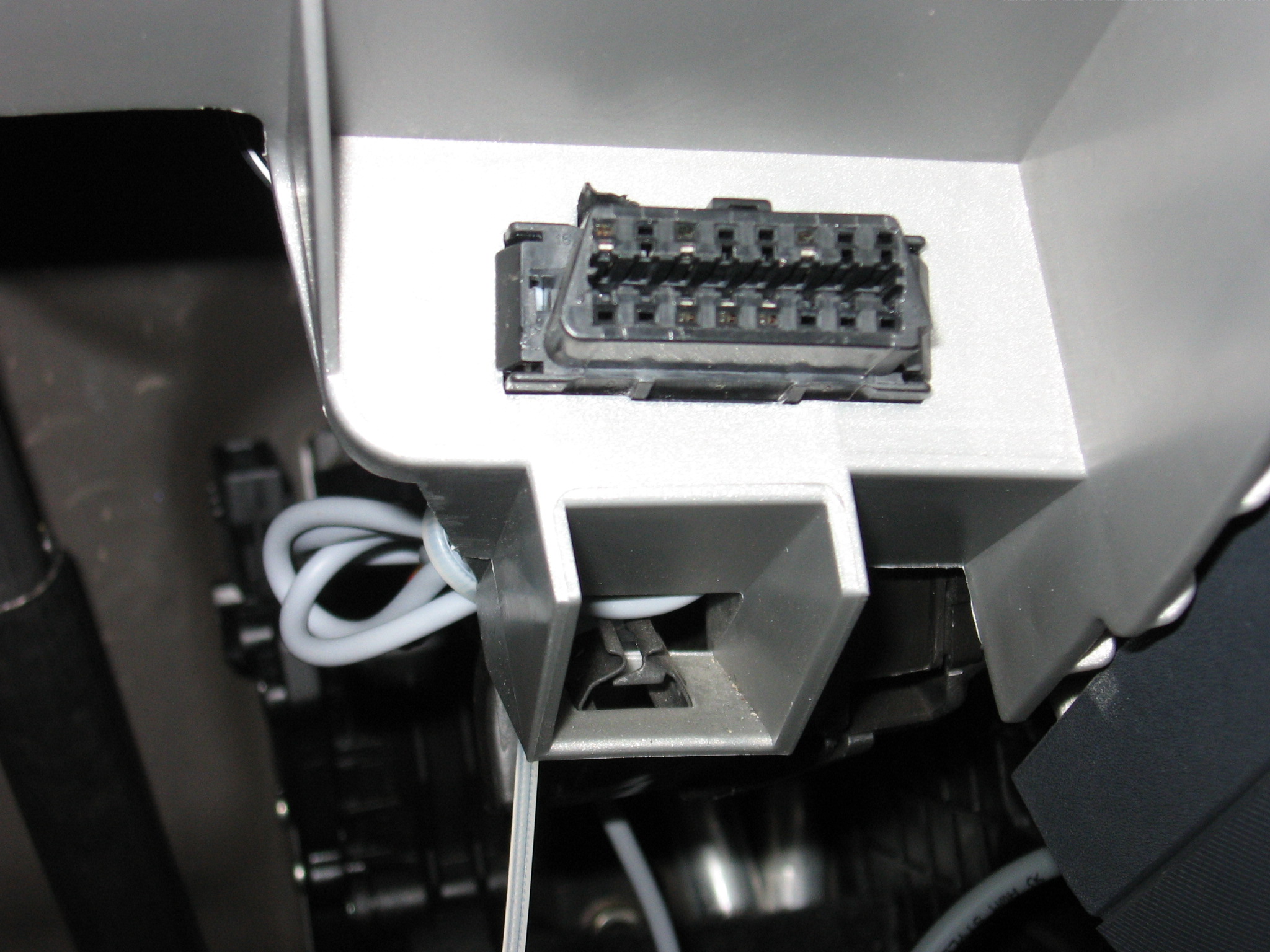
One of the most empowering tools for any car owner is an OBD-II scanner, a device that reads the diagnostic trouble codes (DTCs) stored in your vehicle's computer. These codes provide insight into what triggered the check engine light. Basic OBD-II scanners are widely available and affordable, often costing around $10. By investing in this tool, you can quickly identify the problem and determine whether it's something you can fix yourself. This small investment can save you the cost of a diagnostic fee at a mechanic, which typically ranges from $50 to $100.
Common Issues and Their Simple Fixes
Many common issues that trigger the check engine light have simple solutions. For instance, a loose or faulty gas cap is one of the most frequent causes and can be resolved by tightening or replacing the cap, which usually costs less than $10. Other minor issues include replacing a blown fuse or a faulty oxygen sensor, which can often be found online or at auto parts stores for a fraction of the cost a mechanic might charge. By identifying these simple problems, you can often address the issue without professional assistance.
DIY Repair: Tools and Techniques
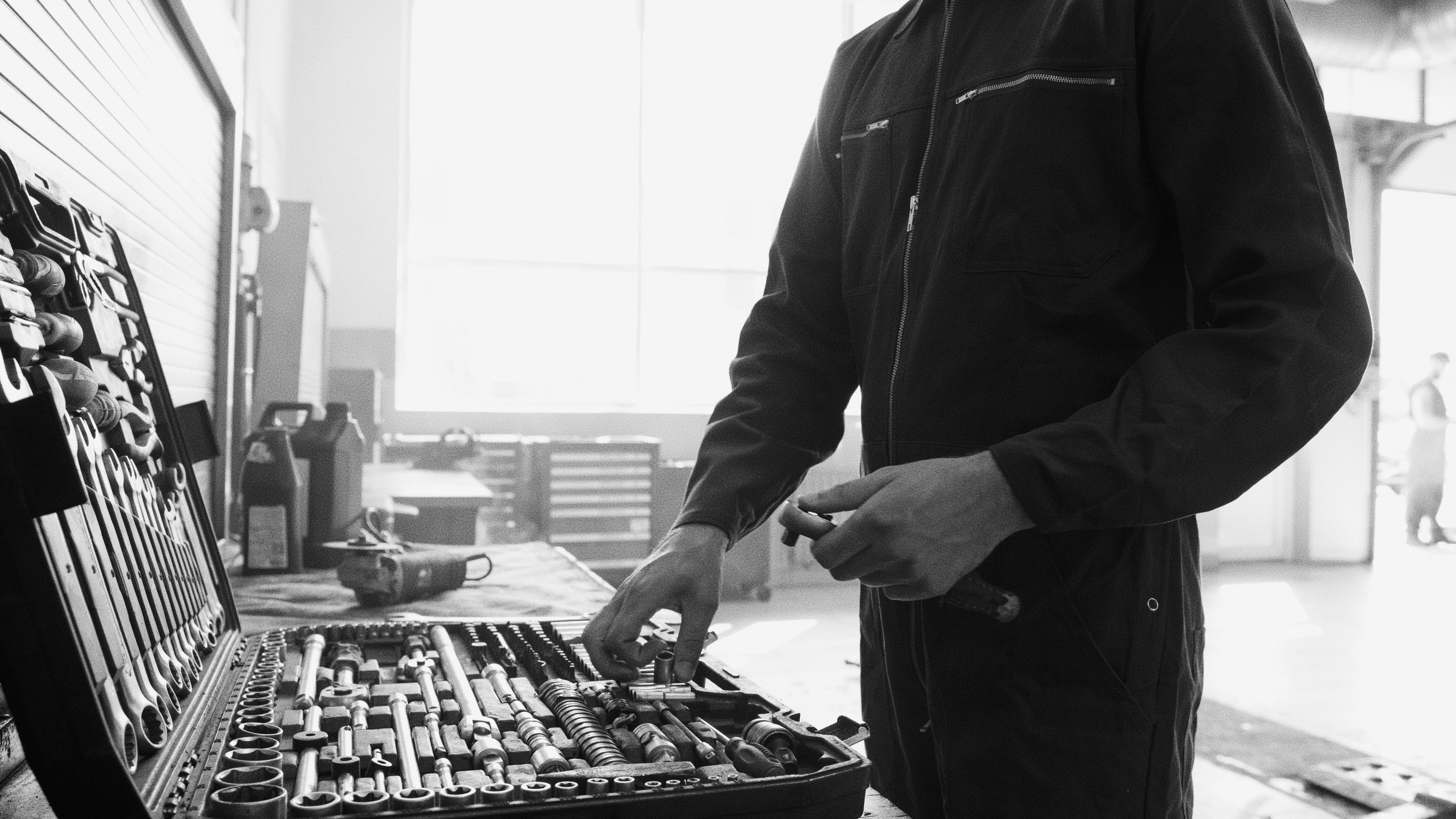
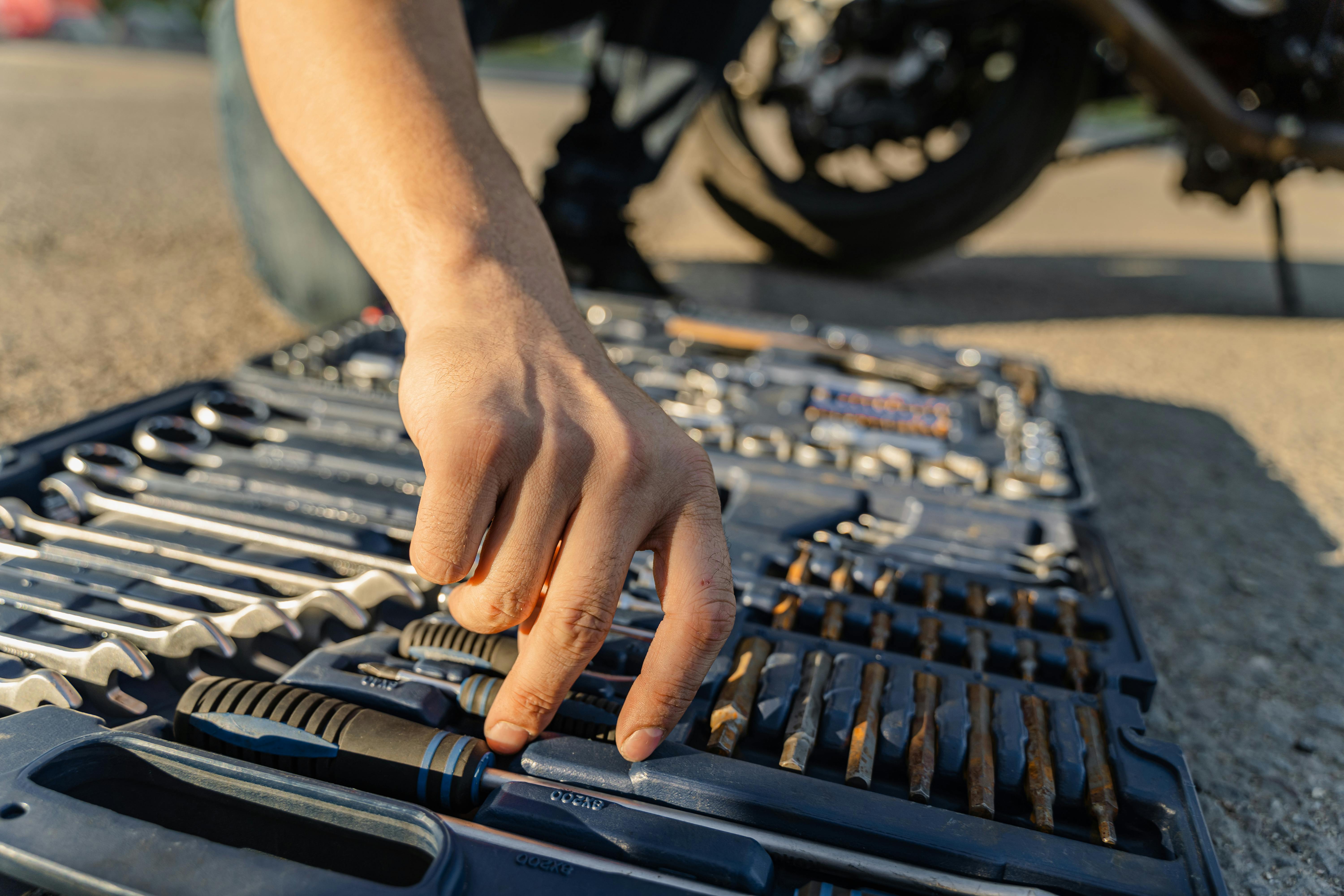
Taking a DIY approach to car maintenance can be rewarding and cost-effective. Apart from an OBD-II scanner, a basic toolkit with screwdrivers, pliers, and wrenches is often sufficient for addressing minor issues related to the check engine light. Online resources, including video tutorials and forums, provide step-by-step guidance for diagnosing and fixing common problems. By taking the time to learn and apply these techniques, you not only save money but also gain valuable skills and confidence in maintaining your vehicle.
The Psychological Barrier of Car Repairs
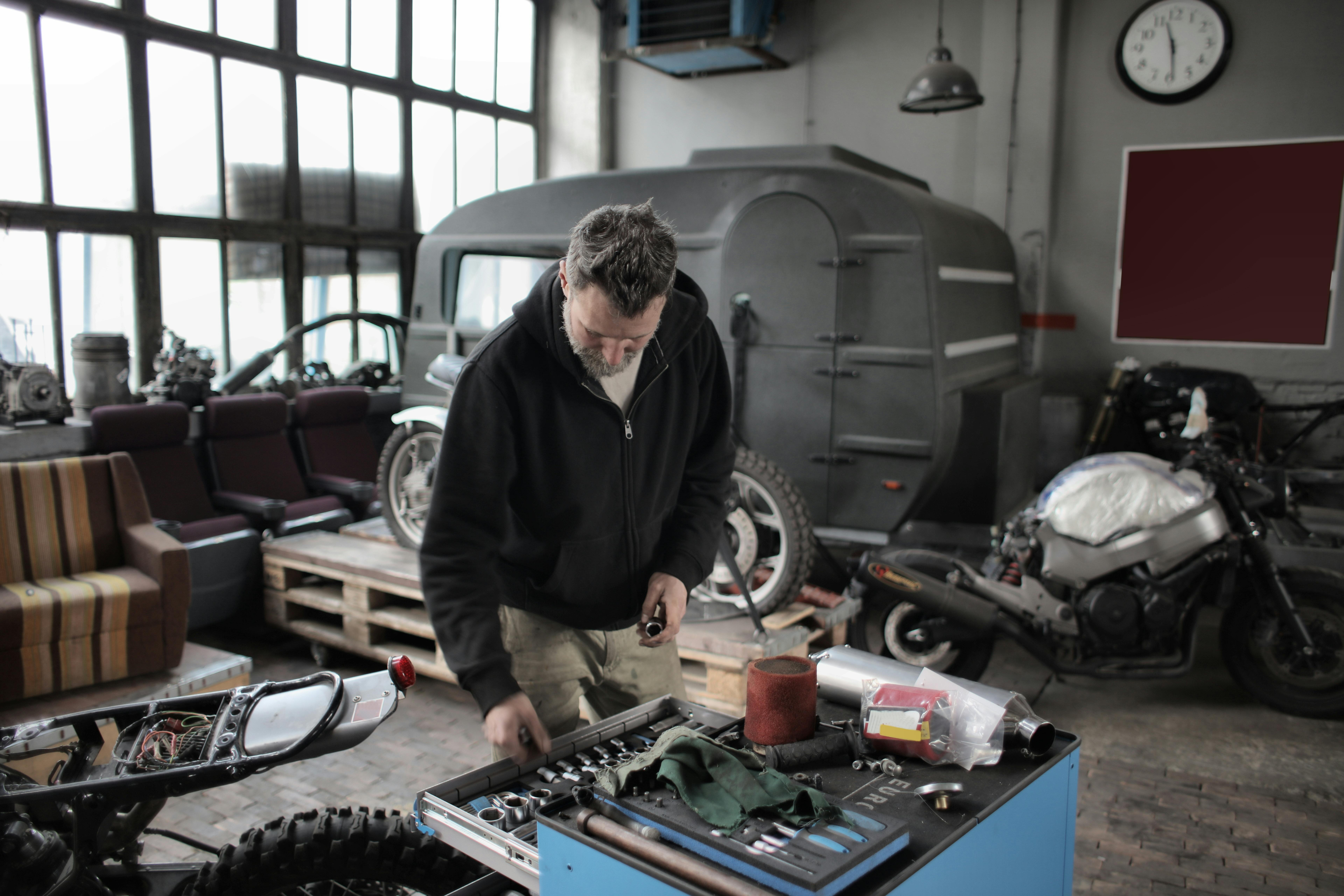
The fear of car repairs is often rooted in a lack of knowledge and the assumption that all automotive issues are complex and expensive. This mindset can lead to unnecessary spending and reliance on professional mechanics for minor problems. By adopting the $10 Swap philosophy, you challenge this psychological barrier and embrace a more proactive approach to car maintenance. Educating yourself about your vehicle and its potential issues can alleviate anxiety and empower you to tackle problems head-on, often with minimal cost.
Environmental and Economic Benefits
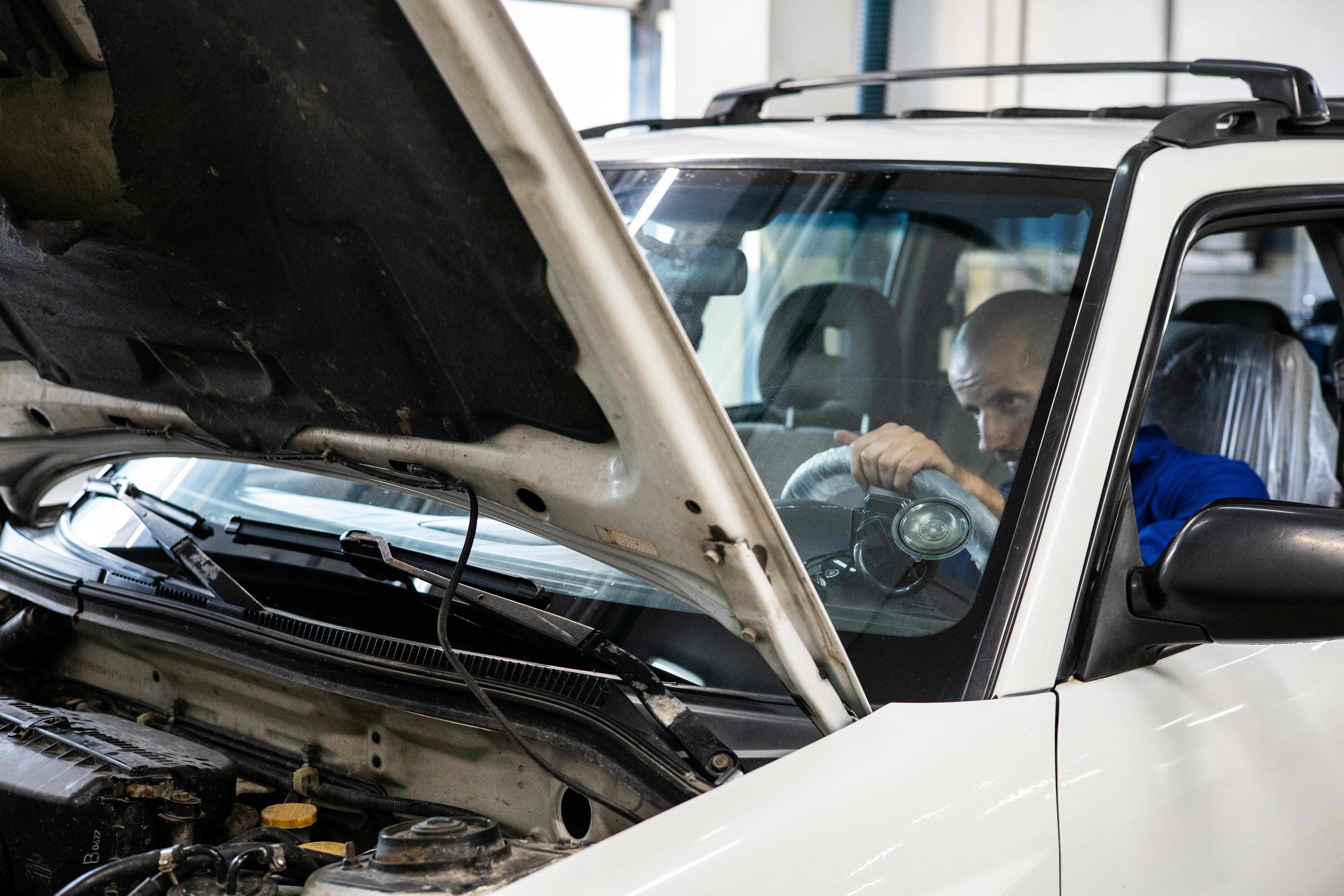
Addressing check engine light issues promptly and affordably has both environmental and economic benefits. A vehicle running efficiently produces fewer emissions, contributing to a cleaner environment. Additionally, by resolving minor issues before they escalate, you prevent more costly repairs down the line. The $10 Swap philosophy encourages sustainable car maintenance practices that extend the life of your vehicle and reduce your overall expenses. This approach not only benefits your wallet but also supports a more sustainable future.
The Importance of Regular Maintenance

Regular vehicle maintenance is key to preventing check engine light issues. Simple tasks like changing the oil, replacing air filters, and ensuring proper tire pressure can significantly reduce the likelihood of triggering the light. By incorporating these practices into your routine, you minimize the risk of unexpected problems and maintain your vehicle's performance. The $10 Swap philosophy complements regular maintenance by providing a cost-effective way to address any issues that do arise, ensuring your car remains in optimal condition.
Success Stories: Real-Life Applications
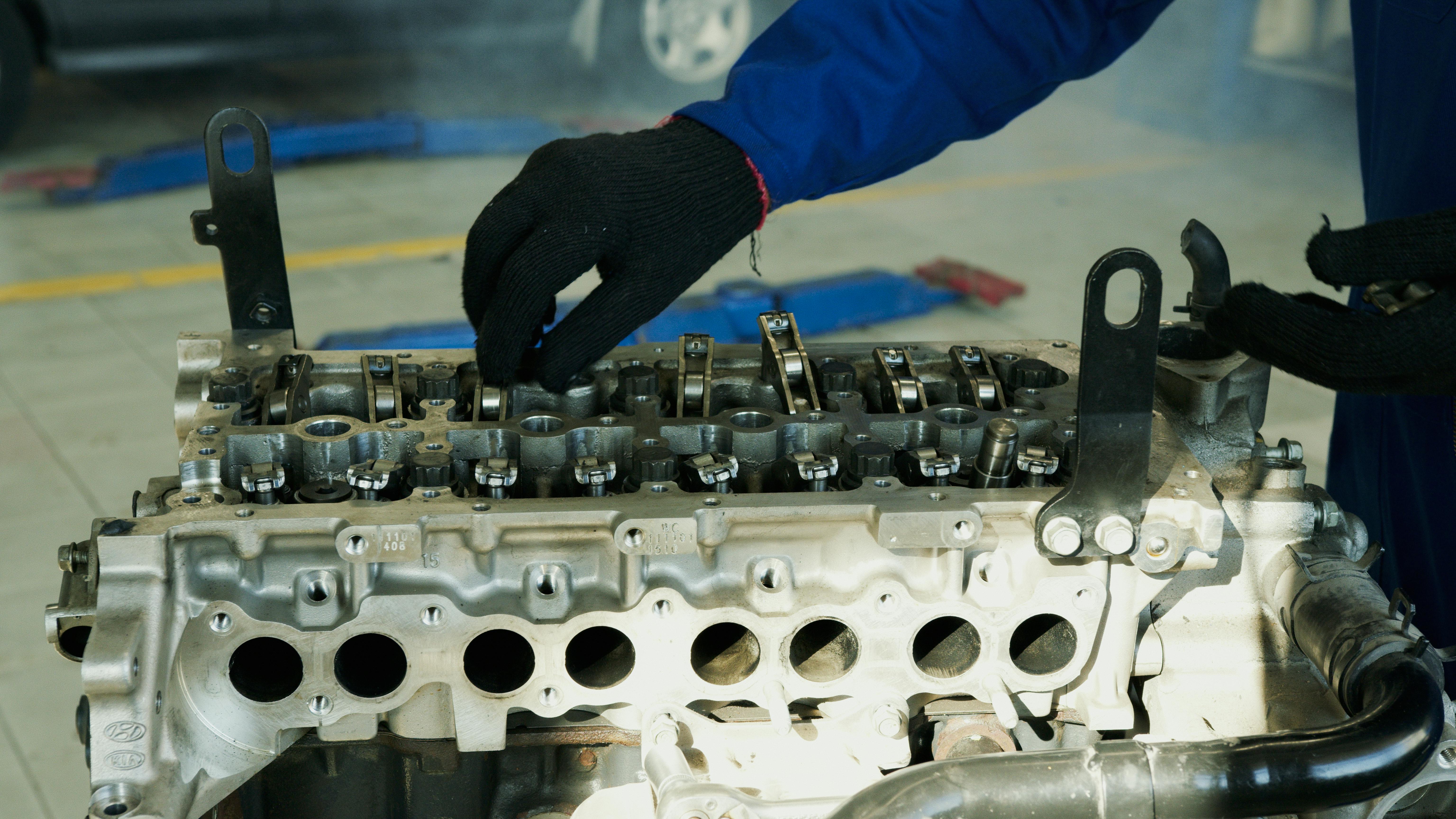
Many car owners have successfully applied the $10 Swap philosophy, saving hundreds of dollars in repair costs. Online forums and communities are filled with testimonials from individuals who resolved their check engine light issues with minimal expense. These success stories highlight the effectiveness of understanding your vehicle and using affordable tools and resources to address problems. By sharing these experiences, we can inspire others to adopt a similar approach and demystify the process of car maintenance.
Embracing the $10 Swap Philosophy

The $10 Swap philosophy is more than just a cost-saving strategy; it's a mindset that empowers car owners to take control of their vehicle maintenance. By understanding the common causes of check engine light issues and utilizing affordable tools and resources, you can address many problems yourself. This approach not only saves money but also reduces anxiety and fosters a deeper connection with your vehicle. As you embrace the $10 Swap philosophy, you become a more informed and confident car owner, ready to tackle any challenge that comes your way.