
Performance Killers: 4 Everyday Habits That Are Wrecking Your Transmission's Lifespan
When it comes to vehicle maintenance, the transmission is often overshadowed by the more glamorous components like the engine or the sleek bodywork. However, the transmission is the unsung hero that ensures your vehicle's power is effectively transferred from the engine to the wheels, making smooth driving possible. Unfortunately, many drivers unknowingly engage in everyday habits that can drastically reduce the lifespan of this critical component. This article delves into four common habits that are slowly but surely degrading your transmission, transforming a seemingly healthy vehicle into a costly repair project. Understanding these habits is the first step towards preserving your transmission and ensuring a long, trouble-free driving experience.
Habit 1: Neglecting Regular Maintenance

One of the most detrimental habits for your transmission is neglecting its regular maintenance schedule. Transmissions, like any other mechanical system, require periodic checks and fluid changes to function optimally. Over time, transmission fluid can degrade, losing its ability to lubricate and cool the transmission effectively. This can lead to overheating and increased friction, which are primary contributors to transmission failure. Regular maintenance, including fluid checks and changes, helps to prevent these issues by ensuring that the transmission operates under optimal conditions. Ignoring these routine tasks can lead to a buildup of debris and contaminants, which further accelerates wear and tear, ultimately leading to costly repairs or even complete transmission failure.
Habit 2: Ignoring Warning Signs
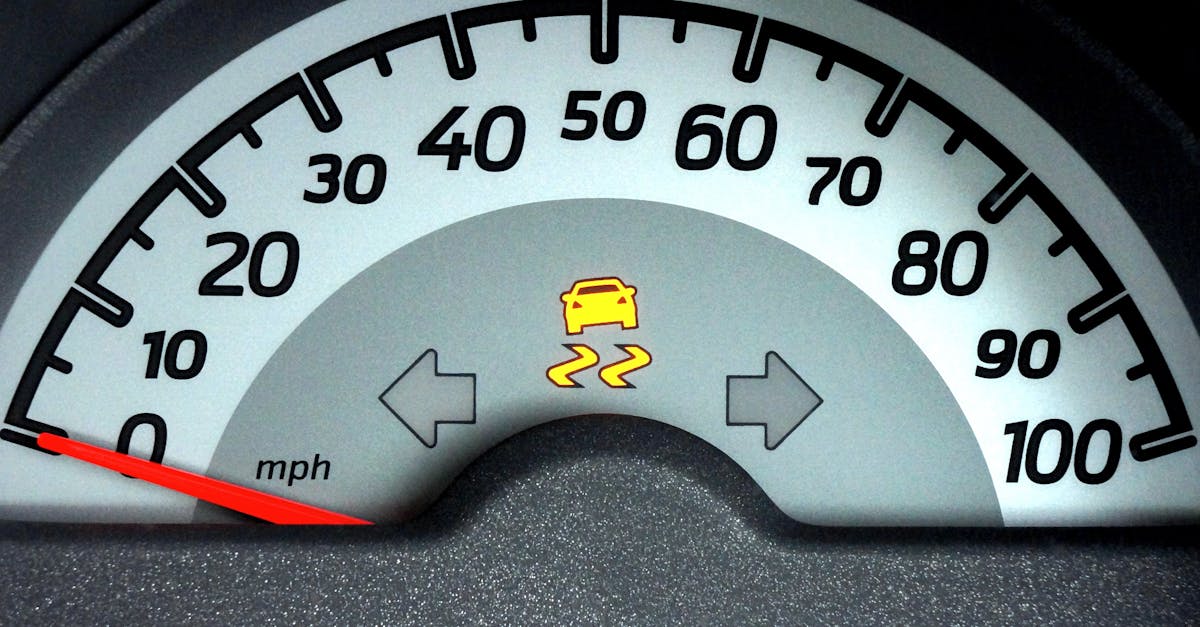
Another common habit that can significantly shorten your transmission's lifespan is ignoring warning signs. Modern vehicles are equipped with sophisticated systems that alert drivers to potential issues, yet many drivers choose to overlook these indicators. Symptoms such as unusual noises, delayed gear engagement, or slipping gears are often dismissed as minor inconveniences rather than the serious warnings they are. Ignoring these signs can lead to more severe damage, as small issues left unchecked can escalate into major problems. Early detection and prompt action are crucial in preventing further damage and extending the life of your transmission. By paying attention to your vehicle's warning signs and seeking professional advice at the first indication of trouble, you can save yourself from more significant and costly repairs down the line.
Habit 3: Overloading the Vehicle

Overloading a vehicle is a common but often overlooked habit that can wreak havoc on a transmission. Every vehicle has a specified maximum load capacity, which, when exceeded, places undue stress on the transmission system. This excessive load requires more power to move, forcing the transmission to work harder than it was designed to. Over time, this can lead to overheating, increased wear on gears, and ultimately, transmission failure. Drivers who frequently haul heavy loads without considering their vehicle's limits are inadvertently shortening their transmission's lifespan. Being mindful of your vehicle's load capacity and distributing weight evenly can significantly reduce the strain on your transmission, helping to preserve its functionality and longevity.
Habit 4: Abrupt Driving Styles

Aggressive driving habits, such as rapid acceleration, hard braking, and frequent gear shifting, can be detrimental to your transmission's health. These driving styles increase the stress on the transmission system, causing it to work harder and generating excessive heat. Heat is a significant enemy of transmission fluid, leading to its breakdown and reducing its effectiveness in lubricating and cooling the system. Additionally, abrupt driving can cause premature wear on the internal components of the transmission, leading to potential failures. Adopting a smoother driving style, with gradual acceleration and deceleration, not only enhances fuel efficiency but also reduces the strain on your transmission, helping to maintain its performance and extend its lifespan.
Cultivating Transmission-Friendly Habits

Preserving your transmission's lifespan requires a conscious effort to eliminate habits that contribute to its degradation. Regular maintenance, attentiveness to warning signs, mindful loading, and smooth driving are all essential practices for maintaining a healthy transmission. By understanding and addressing these four everyday habits, drivers can significantly reduce the risk of transmission failure and avoid the associated repair costs. Cultivating these transmission-friendly habits not only ensures a smoother and more reliable driving experience but also extends the life of your vehicle, ultimately providing peace of mind and financial savings. Taking proactive steps today can lead to a more dependable vehicle tomorrow, making it worth the effort to change these habits for the better.